From Kerbside Pickup to Furnace: The Real Journey of UK Scrap Metal
Most people hand over a scrap radiator, a broken bike frame or a tangle of copper pipe and then get on with their day. The van pulls away, the driveway is clear, and that is usually where the story ends. But the metal does not vanish. It begins a fairly long journey through the UK recycling chain, passing through weighbridges, sorting yards, shredders and smelters before it can come back as something new.
At B&P Scrap Co., we think customers deserve to know what happens after collection. Clear pricing is part of that. So is understanding where your old metal actually goes.
The handover is the first checkpoint
A fair collection starts before the van arrives. A reputable collector should be able to explain how the load will be weighed, how different metals are graded and what deductions might apply. In the UK, collectors handling waste metal need the right registration and should be able to provide paperwork for the transfer. That paperwork is not glamorous, but it matters. It keeps the chain accountable.
When the metal is loaded, it is usually taken to a yard rather than straight to a furnace. The yard is where the first real assessment happens. A mixed load might contain steel brackets, aluminium frames, brass fittings and copper cable. Each has a different value. A collector who knows what they are doing will separate the obvious pieces early and explain any likely contamination charges, such as plastic attached to metal or a steel item with a heavy rubber coating.
Sorting yard: where mixed metal becomes useful again
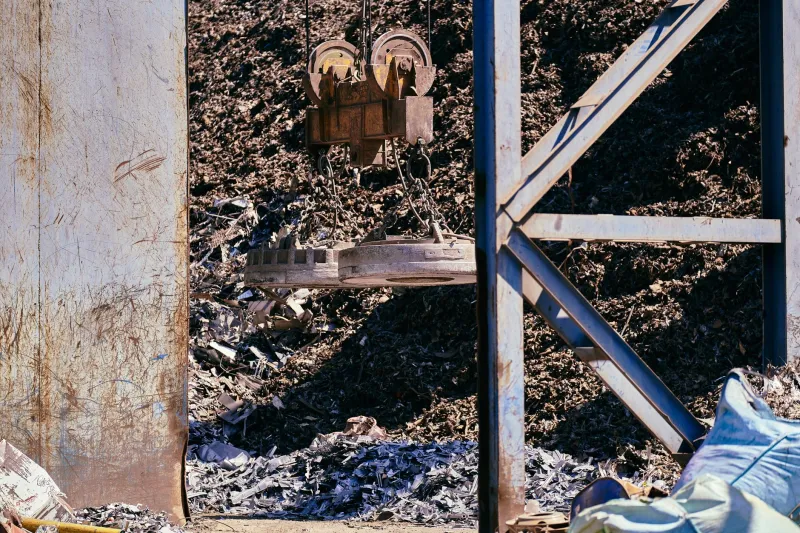
The sorting yard is part practical workshop, part quality control. The first split is usually ferrous versus non-ferrous. Ferrous metals contain iron and are magnetic, which is why steel and iron are often pulled out with magnets. Non-ferrous metals, including aluminium, copper, brass and lead, do not stick to a magnet and generally carry a higher value per kilo.
After that, the material is graded more carefully. Copper may be split into bright copper, heavy copper and lower-grade cable. Aluminium might be separated into extrusions, cans, castings and mixed scrap. Brass, stainless steel and lead are handled separately. The aim is to create clean batches that processors can buy with confidence.
This is also where contamination gets removed. Plastic handles, rubber hoses, food waste and bricks all reduce the value of a load because someone has to pay to deal with them. That is why a clean load often earns a better price than a mixed one. It is not about being fussy for the sake of it. Cleaner metal is simply easier to recycle.
Shredders, shears and separation
Bulky steel items often go through a shear or shredder. A shearing machine can cut long beams, radiators and frames down to size. A shredder breaks mixed metal into smaller pieces so that magnets and other separation equipment can pull out the useful material. After shredding, magnets remove steel and iron, while eddy current separators can flick aluminium and other non-ferrous metals away from the rest.
This stage is loud, dusty and highly mechanical, but it is also where a lot of the magic happens. A worn-out bicycle and an old washing machine might look like completely different objects, but once they are reduced and separated, they become raw material for new products. The UK recycling chain in 2026 is a mix of local yards, regional processors and international commodity markets. Some material stays in the UK; some is sold on to smelters and manufacturers abroad. Either way, the goal is the same: turn waste metal into a feedstock that someone can use.
The smelter and the next life
Smelting is where scrap metal gets its fresh start. Copper scrap can be melted and refined into new copper products. Aluminium scrap is melted and cast into ingots or other forms. Steel scrap is a key feedstock for electric arc furnaces, which use electricity to melt down old steel for new construction products, vehicle parts and packaging.
Recycling metals is not a fringe activity. It is a well-established part of how the UK and global economy gets its materials. Aluminium is a good example: recycling it takes a fraction of the energy needed to make new aluminium from ore. Copper is also extremely recyclable, and it can be recycled repeatedly without losing its key properties. Steel is similar. It can go around the loop many times.
That is the environmental payoff. Every tonne of metal that is recycled instead of landfilled or left to rust saves resources and avoids some of the impacts of primary production. It also keeps valuable material in circulation. The old radiator from your hallway might eventually become part of a new appliance, a car component or a piece of building infrastructure. You will probably never recognise it, but that is the point.
Why a fair collector matters in the loop
A collector is not just a van and a set of scales. They are the first link in the chain. A fair, clearly priced collector helps keep the loop honest. They should explain how the price was reached, separate different metals properly, and make sure the load goes to a legitimate processor. They should also be upfront about charges for awkward items, mixed loads or difficult access.
At B&P Scrap Co., we collect scrap metal across the UK and aim to keep the process plain. You get a clear price, a straightforward collection and a sensible explanation of what happens next. That transparency is good for customers, and it is good for recycling too. When people trust the process, they are more likely to recycle properly rather than dump metal at the back of a shed or hand it to someone who will fly-tip it.
The next time a collection van leaves your driveway, remember that the journey is only just starting. Your old metal is being sorted, cleaned, shredded and melted so it can come back as something useful. That is a much better ending than a landfill site.