The Move-Out Metal Audit: A Landlord’s Checklist for Fair, Documented Scrap Collections
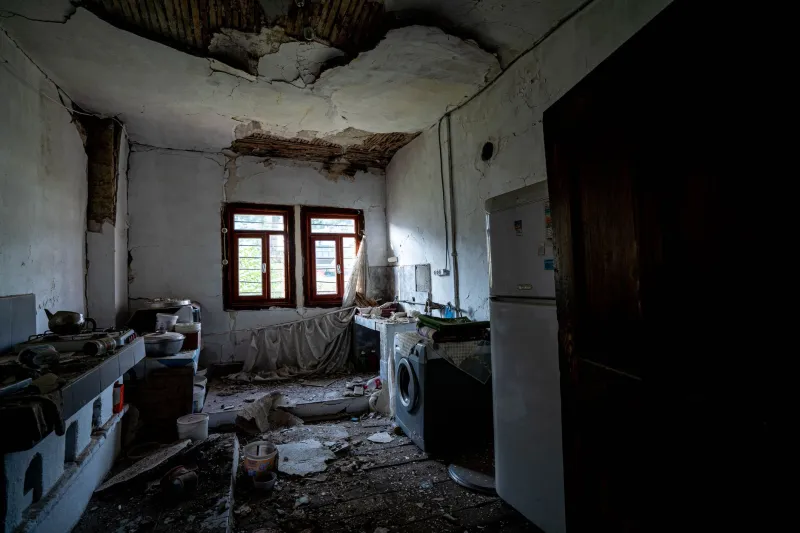
A tenancy ends, the keys come back and the flat is never quite as empty as the checkout report suggested. There is a broken washing machine in the kitchen, a radiator missing from the bathroom, old copper pipe in the airing cupboard and a tangle of cable in the shed. Some of it is rubbish. Some of it has scrap value. All of it needs to be handled properly.
For landlords, letting agents and property managers, the gap between tenancies is a practical window for a metal audit. Do it well and you recover a bit of value, keep the property clear and leave a paper trail. Do it badly and you risk damaging the property, annoying the neighbours or landing yourself in fly-tipping trouble. This checklist is here to keep it straightforward.
First, separate scrap from someone else’s property
Before anything goes on a van, check your tenancy agreement and follow the correct abandoned-goods procedure for your part of the UK. Left-behind items are not automatically yours to dispose of, and a tenant may still have rights to collect them. Take photos, keep a written record and stick to the notice periods and rules that apply to your property. If you are unsure, get advice before you clear anything.
The same goes for anything that looks personal rather than fixtures and fittings. A bike frame in the hall is different from a copper cylinder in the loft. Scrap value does not override the proper process.
What a scrap collector can legally take
A licensed scrap collector can usually take common metal items such as old radiators, pipework, cable, metal shelving, bike frames, tools and non-hazardous metal fittings. But ‘metal’ is not a free pass. Some items need separate handling.
- Gas appliances and boilers: disconnection and removal should be done by a suitably qualified engineer. Do not let a collector cut gas pipework or remove a live appliance.
- Fridges and freezers: these are electrical waste and need the right route. Ask whether your collector handles them or whether they need a separate WEEE collection.
- Electrical wiring: isolate the supply first. Never pull out live cable or assume a switch is off because the tenant said so.
- Gas cylinders, aerosols and unknown containers: these are not general scrap. Ask before you load them.
- Asbestos and contaminated items: do not hand these to a scrap collector. They need specialist disposal.
A fair collector will tell you what they can and cannot take. A vague one will say ‘we’ll sort it’ and then leave you wondering where it went.
The room-by-room metal audit
Walk the property with a notepad and take photos as you go. You are not just looking for obvious scrap; you are looking for anything that needs disconnection, access or a separate waste route.
Kitchen: old cooker, extractor hood, sink and taps, exposed pipework, metal legs or shelving. Check whether appliances are wired in or simply plugged in.
Utility room: washing machine, tumble dryer, boiler, pipework, metal sink unit. Confirm water and power are isolated before removal.
Bathroom: radiator, shower pump, towel rail, pipework and metal fittings. Watch for leaks and hidden pipe runs.
Heating system: radiators, copper cylinder, boiler and associated pipework. This is not a DIY strip-out unless you know what you are doing. Get the system safely decommissioned first.
Loft, shed and garden: cable offcuts, copper pipe, old tools, bike frames, metal gates, fencing and shelving. Check for anything sharp, rusty or heavy enough to need two people.
Communal areas: do not remove metal from shared spaces, bin stores or neighbours’ plots without clear authority. That is a fast route to a dispute.
Safety and access before the van arrives
A tidy collection is a safe collection. Clear a path, move smaller items to an accessible spot and make sure the collector knows about stairs, parking restrictions or narrow gates. If a boiler or radiator needs removing, book the qualified trade first. Do not let a scrap collector improvise with gas or live electrics.
If the property has a communal entrance or a permit bay, arrange access in advance. A collector who arrives and cannot park may charge for wasted time or simply leave. That is not unfair; it is a booking problem you can avoid.
Documenting the collection
For landlords, the paperwork matters as much as the price. Keep a simple file for each clearance.
- Before photos: show the items in place and their condition.
- Inventory: list what is being removed, including make or model where relevant.
- Collector details: company name, contact number and waste carrier licence number.
- Collection note or receipt: signed and dated, with the address and items listed.
- Weighbridge ticket: if the quote is based on weight, ask for the ticket or a copy.
- Payment record: note how and when payment was made.
- After photos: show the space clear and undamaged.
That file is useful if a tenant queries a missing item, if an inventory dispute arises or if you need to show that waste was passed to a licensed carrier.
Getting a fair price without chasing exact figures
Scrap prices move, so treat any quote as a snapshot. Ask how the price is built: is it a flat offer, a weight-based rate or a price after grading? Are there collection fees, minimum loads or charges for disconnection? Is payment made on the day or after the yard weighs in?
If you have a mix of metals, separate the obvious high-value items from the low-value bulk. Clean copper pipe and brass fittings are not the same as rusty steel shelving. Sorting before collection makes the quote easier to understand and shows the collector you are not asking them to do all the work for free.
Get more than one quote for larger clearances, but compare like with like. A cheap quote that excludes collection or paperwork may not be cheap once the job is done.
Avoiding fly-tipping risk
This is the part nobody wants to get wrong. In the UK, you have a duty of care for waste from your property. If you hand scrap to an unlicensed carrier and it ends up dumped in a layby, the consequences can come back to you. Check the collector’s waste carrier registration, keep the transfer note and never leave scrap on the pavement with a ‘free metal’ sign as a disposal strategy.
A legitimate collector should be relaxed about giving you their licence details. If they are evasive, walk away. It is not worth saving twenty minutes to inherit a fly-tipping investigation.
Between-tenancy timetable
Aim to book the metal collection after the checkout and abandoned-goods process is complete, but before the next tenant moves in. Confirm access, parking and whether any items need disconnection. Book midweek if you can, and keep the day free enough to sign off the collection and take after photos.
The move-out metal audit is not glamorous, but it is one of those jobs that rewards a bit of order. Know what is scrap, know what is not, use a licensed collector and keep the paperwork. You get a clearer price, a cleaner property and a much better story if anyone asks what happened to the old boiler.