Before the Greenhouse Goes Dark: A Plot-by-Plot Metal Clearance Guide
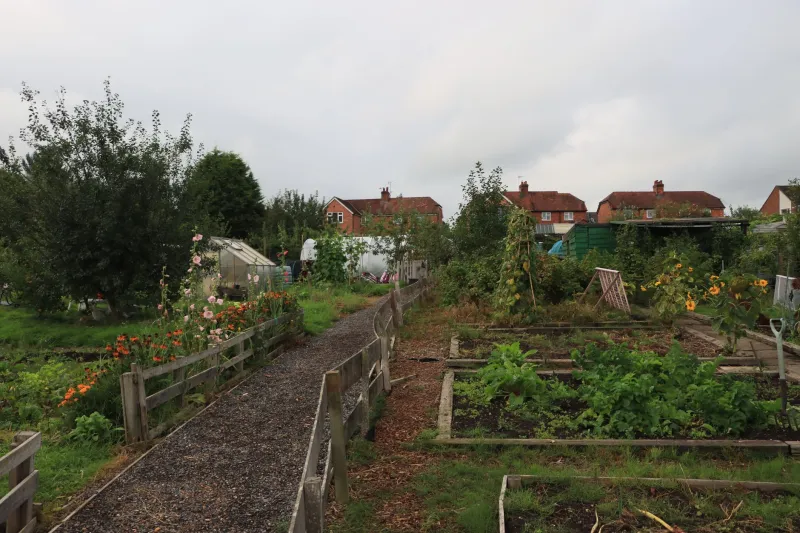
There’s a particular kind of November afternoon that makes a garden look honest. The beans are down, the grass has stopped pretending to grow, and the shed door sticks just enough to remind you it’s time to have a proper look inside. That’s when you notice the metal.
Not the obvious stuff — not the mower or the bike — but the greenhouse frame you replaced in a hurry last spring, the hanging-basket chains coiled behind the water butt, the galvanised shelving that’s been ‘useful’ for six years and held nothing but cobwebs since 2026 began. It’s all scrap, and some of it is worth actual money.
This is a plot-by-plot sort-out, not a lecture on metallurgy. The aim is simple: get the genuinely useful metal out of the way before winter sets in, keep the valuable bits separate, and book a collection that tells you the price up front.
Why late autumn beats a spring clear-out
Spring clear-outs are optimistic. You start with plans, then the weather improves and you abandon the job for the first dry Saturday. November is different. The growing season is done, the light is poor, and there’s a genuine window before the frost makes everything slippery and the festive season makes everything complicated.
It’s also easier to see what’s what. Bare borders and trimmed hedges expose the old edging, the broken brackets and the greenhouse frame you’ve been meaning to deal with. Do it now and you’re not tripping over it in January.
Start with the big aluminium: greenhouse frames and staging
Aluminium is usually the best-value metal in a domestic garden. Old greenhouse frames, staging, cold-frame sections and lightweight ladders are worth separating from the steel. A magnet won’t stick to aluminium, which is the simplest test you can do with gloves on.
A word of caution: don’t scrap a greenhouse that still works. A decent frame has more value as a frame than as metal. But if the glazing is gone, the corners are twisted and it’s been lashed to the fence with baler twine since the Beast from the East, it’s a candidate.
Strip out glass, plastic clips and rubber seals where you reasonably can. You don’t need to dismantle every millimetre, but a frame that’s mostly metal is easier to weigh, transport and price fairly.
Galvanised shelving, troughs and the humble bucket
Galvanised steel is ferrous — a magnet will grab it — and it’s usually worth weighing in as light iron or steel. Old shelving units, metal troughs, watering cans that have lost their rose, and the bucket with a hole in the bottom all add up. None of them are glamorous, but they’re dense enough to make a difference when you’ve got a pile.
Give them a shake-out first. Compost, gravel and rainwater add weight that isn’t metal, and a fair collector will want to weigh metal, not mud. A quick brush-down is plenty.
Bench brackets, chains and the fixings you forgot
This is where most garden metal hides. Look under the bench, around the shed base, behind the compost bin and along the fence line. Rusty brackets, gate hinges, bolts, nuts, washers, screws, wire mesh offcuts and the chain from a hanging basket that snapped in a gale — it’s all scrap.
Small fixings are fiddly to handle, so keep them in one sturdy tub or a strong bag. Don’t mix them with aluminium or copper. A mixed box is harder to price and easier to undervalue. If you’ve got a few kilos of assorted ferrous bits, that’s fine — just keep them together and label them as mixed steel.
Hanging-basket chains are usually galvanised steel, so they go with the ferrous pile. The baskets themselves might be plastic, wire or coco liner — separate the metal from the rest before collection.
A two-minute ferrous vs non-ferrous check
You don’t need a lab coat. A magnet and a bit of common sense will do most of the work.
- Magnet sticks: ferrous. Think steel, iron, galvanised brackets, chains and most fixings.
- Magnet doesn’t stick: likely non-ferrous. Aluminium frames and staging are the common garden examples. Brass fittings and copper pipe are worth keeping separate too.
- Unsure? Keep it in its own pile and ask the collector. A fair buyer will tell you what they’re pricing and why.
Don’t overcomplicate it. The main win is keeping aluminium away from steel and keeping obvious rubbish out of both.
What’s not worth the trip
Not everything metal deserves a journey. A single rusty nail isn’t going to change your day, and heavily contaminated items — oil-soaked metal, paint tins with metal parts, anything mixed with general waste — can cause more hassle than they’re worth. If it’s mostly plastic, glass or soil, it’s not scrap metal.
Also, be realistic about condition. A good greenhouse frame, a solid set of galvanised shelves or a decent coil of chain is worth keeping separate. A bent, thin, rusted-through sheet of unknown origin is likely light iron and priced accordingly. That’s not a con; it’s just how grading works.
Prep for a fair collection: dry, separate, and ask for a clear price
Once you’ve got your piles, keep them dry if you can. Wet metal is heavier, but you’re not paid for water — and a reputable collector will want to weigh what’s actually there. Separate aluminium from ferrous, keep brass and copper apart if you have any, and put small fixings in a container that won’t split on the drive.
Then ask the question that matters: what’s the price, and what’s it based on? A clear quote should account for the metal type, the weight and any collection costs. If someone gives you a vague ‘we’ll sort you out on the day’ answer, that’s your cue to keep asking. B&P Scrap Co. works on the principle that a fair collection starts with a clear price, not a mystery number shouted over a hedge.
Book before the frost, not after
A late-autumn garden sweep is one of the least glamorous jobs of the year, but it’s also one of the most satisfying. You clear the trip hazards, reclaim the shed space and turn a pile of forgotten metal into something useful. Book a collection while the ground is still firm and the diary hasn’t filled up with winter. Your future self — the one sliding across an icy patio in January — will thank you.