Radiators, Cylinders and Copper: Cashing In on Your Old Heating System
A boiler upgrade in 2026 can leave you with a driveway full of metal and a slightly guilty feeling about skipping it. The good news is that plenty of what comes out of an old heating system is genuine scrap. The less good news is that 'scrap' is not one price, one grade or one easy lump sum. Copper cylinders, steel radiators, brass valves and mixed pipework all behave differently on the scale. If you are preparing for a heat-pump retrofit, or just replacing an ageing boiler, here is how to sort the worthwhile metal from the stuff that is only fit for the skip.
Start with safety, not scrap value
Before anyone starts weighing anything, the system needs to be properly decommissioned. Gas work belongs to a Gas Safe registered engineer. Electrical connections and heat-pump kit need someone competent. A scrap collector is there to collect metal, not to disconnect a live boiler or cut into pipework that might still hold water. Drain the system, isolate it and let your installer confirm it is safe. If someone offering to take the old system away also offers to 'just whip out' the boiler, that is a red flag, not a bargain.
What is actually scrap in an old heating system?
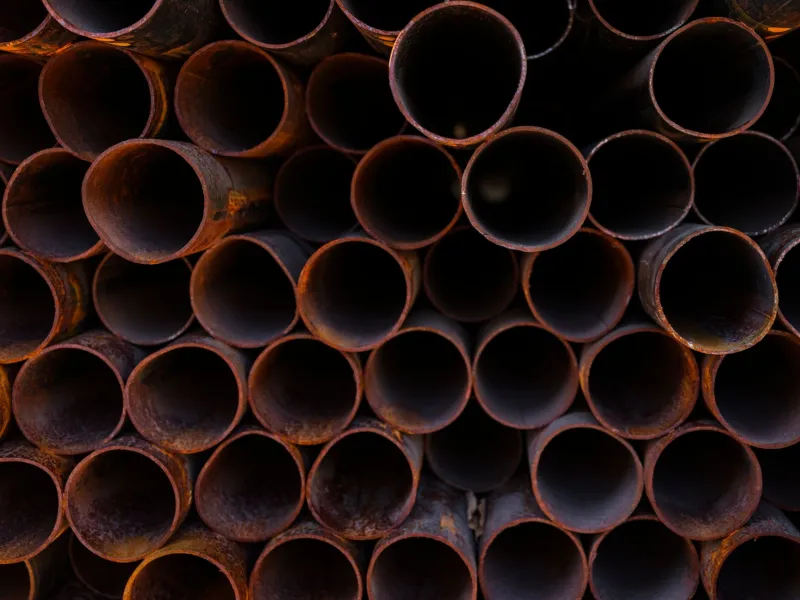
Most of the value sits in the metals that are easy to identify and separate. A copper hot-water cylinder is usually the star of the show. Copper pipework comes next, especially clean pipe with fittings removed. Brass valves, taps and pump bodies can be grouped together. Steel radiators are bulky but lower value by weight. The old boiler itself is a mixed bag of steel, copper, brass and electronics, so it is rarely a premium item. Insulation, plastic pipe, flue parts and sludge are contamination, not scrap.
How copper and mixed metals get graded
Grading is not meant to be mystifying. A fair collector separates clean copper from dirty copper, brass from copper, and steel radiators from general mixed metal. Clean copper pipe usually attracts a better rate than copper that is thick with solder, paint or fittings. A cylinder may be graded as a cylinder rather than pure copper because of its shape and fittings. Radiators are usually steel, but they still need to be weighed rather than guessed at. Mixed scrap is exactly that: a lower-value catch-all for items that are not worth separating. Ask how each pile will be graded before it goes on the van. Metal prices move, so the rate that mattered last month is not a promise for today.
Room-by-room checklist for a heating upgrade
Use this as a prompt, not a licence to start dismantling things yourself.
- Airing cupboard: copper cylinder, immersion heater, expansion tank (often plastic), copper pipes, brass valves, pump.
- Loft: old feed-and-expansion tanks, copper pipe runs, isolation valves, any abandoned cylinders. Leave insulation alone.
- Kitchen or utility: boiler, pump, controls, copper pipework, brass fittings.
- Bathroom: radiator, towel rail, copper pipes, brass or chrome valves.
- Garage or shed: old radiators, offcuts of copper pipe, brass fittings, spare pumps.
- Outside: any removed flue parts and pipework. If you suspect asbestos, stop and get specialist advice.
Keep the piles separate as they come out: copper, brass, steel radiators, mixed metal and electrical items. A quick photo of each pile before collection is useful if you want a record of what left the property.
What a documented collection should look like
Book the collection for after the system has been removed and drained. A fair collector should arrive with scales, not a vague eyeball estimate. Ask to see the weighing, or at least receive a receipt that shows the grades and weights. The paperwork should include the date, collection address, items collected, weights, price and the collector's business details. For business waste, a waste transfer note is part of the deal. For householders, a proper receipt is still the sensible standard. Ask for the waste carrier registration number and, where relevant, the scrap metal dealer licence. If the collector cannot show basic paperwork, keep the metal and find someone who can.
Red flags when someone offers to take the old system away
Most problems start with a too-good-to-be-true offer. Watch out for a flat price for 'the lot' with no weighing, cash only and no receipt, an unmarked van, or pressure to clear the lot before your installer has finished. Be wary of anyone who says the copper cylinder is worthless, refuses to separate copper from steel, or offers to disconnect gas or electrics. A legitimate collector will not mind you asking where the material goes. If a quote sounds like a favour and the paperwork sounds like a hassle, it probably is not a fair deal.
The heat-pump angle
A heat-pump retrofit can remove a surprising amount of metal: old radiators, pipework, sometimes a cylinder and plenty of brass fittings. But the scrap bonus should not drive the project. Do not rip out a working heating system just to chase copper prices. Plan the swap with your installer, keep the removed parts dry and separate, and treat any scrap income as a modest bonus rather than a funding strategy. If the new system needs a cylinder, make sure the old one is genuinely redundant before it goes on the pile.
The bottom line
An old heating system is not a goldmine, but it is rarely worthless either. Copper, brass and steel radiators add up, especially when they are kept separate and weighed properly. The real win is a clean, safe, documented collection that keeps metal out of landfill and puts a fair price back in your pocket. That is the B&P Scrap Co. approach: clear pricing, sensible sorting and no mystery about where your old boiler bits end up.