Rust, Paperwork and a Fair Price: Clearing Farm Metal Without the Runaround
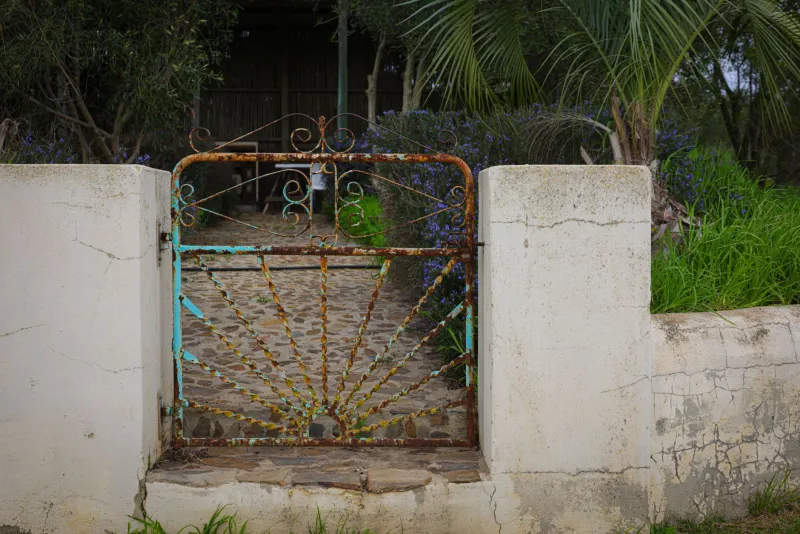
Every farm has one. A hedge-backed corner where the mower with the cracked deck went to die, a stack of bent gates, three troughs with holes in the bottom and a wheel rim that has not fitted anything since the Blair years. Most of us walk past it for a decade. Then a lad with a flatbed turns up, says he will clear the lot for free, and suddenly the pile is gone but so is any record of what it weighed or where it went.
That is the bit worth slowing down for. Farm scrap is not household clutter; it is a waste stream with rules attached, and the difference between a clean, paid collection and a vague 'free' one usually comes down to three things: separation, documentation and a price that is agreed before anything moves.
Start with a walk-round, not a phone call
Before you ring anyone, walk the pile. Not with a clipboard and a face like thunder, just with a phone camera and a rough idea of what is there. Photograph the big items where they sit, then the mixed smalls. You are not building an insurance file; you are stopping the conversation from becoming a guessing game.
Make three rough groups. One: heavy ferrous — machinery frames, plough parts, RSJs, wheel rims, old gates, troughs, galvanised sheeting. Two: non-ferrous — copper pipe, brass fittings, lead flashing, aluminium offcuts, maybe a few old cast items. Three: 'not sure' — batteries, oil-filled things, anything that might have had a fluid in it. That third pile is the one to talk about before a trailer arrives, not after.
Ferrous and non-ferrous: the two piles that decide your price
Ferrous metal is mostly iron and steel. It is heavy, magnetic and usually the bulk of a farm clearance. Non-ferrous is the opposite: lighter, often more valuable per kilo, and usually a smaller pile. Copper, brass, lead and aluminium do the heavy lifting on price. Stainless steel sits somewhere in the middle and needs to be kept separate from ordinary steel if you want a fair grade.
The practical rule is simple: if a magnet sticks, it is ferrous; if it does not, keep it apart and ask for it to be priced separately. Galvanised troughs and sheeting are ferrous, but they are not the same as clean heavy steel, so do not be surprised if the grade reflects that. Mud, concrete, plastic fittings and oil contamination all drag a price down, which is why a quick hose-off and a bit of dismantling can be worth more than a morning spent haggling.
| Pile | Typical farm examples | What to do |
|---|---|---|
| Heavy ferrous | Machinery frames, gates, RSJs, wheel rims | Keep dry-ish and free of concrete where possible |
| Light ferrous | Galvanised sheet, troughs, fencing wire | Bundle or stack so it can be weighed cleanly |
| Non-ferrous | Copper pipe, brass valves, lead, aluminium | Separate by type; do not mix with steel |
| Question marks | Batteries, fluid-filled items, unknown cylinders | Declare them before collection |
What a fair collector should hand you
The paperwork matters as much as the price. In the UK, anyone transporting waste as part of a business should be able to show you their waste carrier registration, and a scrap metal dealer should be licensed. You can check these on the Environment Agency public register in England, Natural Resources Wales, SEPA in Scotland or NIEA in Northern Ireland. If someone cannot tell you their registration details, that is your answer.
A fair collection should also leave you with a waste transfer note, or a season ticket if you use the same collector regularly. For scrap metal, expect a weighbridge ticket or a clear weight record and an itemised price showing what was paid for what. If the load includes anything hazardous — lead-acid batteries, for example — ask how it will be consigned, because that is a separate paper trail.
This is not bureaucracy for its own sake. The farm waste rules that came in during the mid-2000s made it clear that agricultural waste, including scrap metal, has to go to a registered carrier and cannot simply be burned or buried in the hedge. If your name is on the waste, you have a duty of care. A collector who shrugs at paperwork is not doing you a favour; they are leaving you with the risk.
The trouble with 'we'll clear it for free'
Free clearance is not always a con. Sometimes it is a legitimate way for a collector to take low-value bulky metal off your hands because the volume makes it worth their while. The trouble is that 'free' often means no price breakdown, no weight ticket and no clear separation. You have no idea whether the copper cylinder went in with the old gates or into a different van.
There is also the selection problem. If a collector is not paying you for the load, they may take the easy, high-value pieces and leave the awkward stuff — the wire, the troughs with concrete in them, the machinery that needs two people and a grinder to move. You end up with a tidier-looking yard and a bill for a skip later.
A priced farm collection flips that. You agree a rate per kilo or a price for the lot, the collector weighs and grades it, and you get a record. It might not be a fortune, but it is transparent. And if the load is mixed, the paperwork shows how the value was split between ferrous and non-ferrous rather than leaving you to guess.
Practical prep that pays for itself
You do not need to become a scrap grader. You do need to make the load safe and weighable. Drain oil and fuel from machinery where you can, remove plastic and rubber that will not be accepted, and keep batteries separate. Make sure the collector can get a trailer or lorry to the pile without reversing through a gateway that has not seen a vehicle since the last TB test.
If you have a few high-value non-ferrous items, put them in one place and ask for them to be priced separately. If you have a genuinely mixed pile, ask for a collection that is priced after weighing rather than a flat 'I'll take it away' figure. The difference is not just money; it is knowing what you had.
A quick checklist before anyone backs a trailer in
Ask for the waste carrier registration and scrap dealer licence details, and check them. Agree whether the collection is free, priced per kilo or priced for the lot. Ask what happens to items that cannot be accepted. Confirm you will get a waste transfer note and a weight record. And keep the photos you took at the start — they are surprisingly useful if the load turns out to be more mixed than anyone thought.
At B&P Scrap Co. we would rather price a farm collection properly than pretend a mixed pile of rust and copper is a simple favour. Clear rates, a documented collection and a realistic conversation about what is worth separating: that is the fair deal. The hedge corner will still be there next year, but at least it will be emptier and better explained.