Before the Plumber Packs Up: A Bathroom Refit’s Hidden Metal Value
Bathroom refits are messy, dusty and full of small decisions. The skip lands on the drive, the plumber cuts through a pipe, and suddenly there’s a pile of shiny fittings and heavy lumps that nobody quite knows what to do with. Some of it is rubbish. Some of it is worth weighing in. The difference between a fair price and a shrug is usually just a bit of sorting before everything gets buried under broken tiles.
Start with the metal that actually pays
Not every bathroom fitting is worth setting aside, but the good stuff tends to announce itself. Brass taps, copper pipe offcuts, chrome towel rails, shower pumps and old cast-iron bath feet are the usual suspects. You do not need to become a scrap expert overnight. You just need to keep the obvious metals apart enough that a collector can price them clearly rather than treating the whole lot as mixed waste.
A simple approach works best: one box or bucket for brass, one for copper, one for cables, and a corner for the heavy awkward items. If you are mid-refit and the room is a building site, that might sound ambitious. It is still easier than trying to untangle a copper pipe from a bin bag of silicone and tile adhesive three days later.
The tap trap: brass is not just shiny
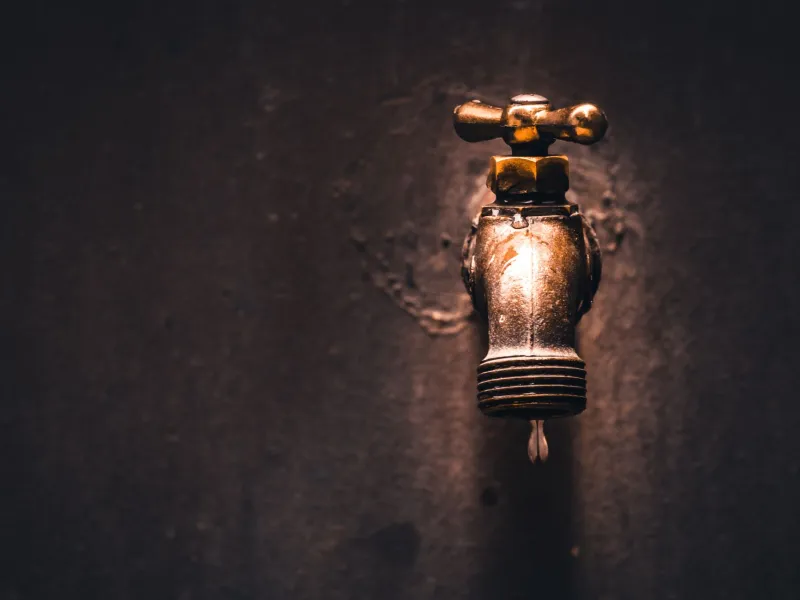
Old bathroom taps are often brass underneath the chrome plating, which makes them far more interesting than their scratched surface suggests. Keep them whole if you can. There is no need to smash them open or attack them with a hammer. Remove the obvious plastic washers, ceramic cartridges and any rubber seals, then put them in the brass pile.
Not every tap is brass, though. Some modern mixers have plastic bodies or mixed internals. A magnet is a rough guide: brass and copper will not stick, while steel and some coated fittings will. If you are unsure, keep the taps separate and let them be graded properly. A handful of brass taps is a known quantity. A bucket of brass, steel and plastic is a guessing game.
Pipe offcuts and the copper question
Copper pipe offcuts are one of the most common bits of bathroom scrap, and they add up surprisingly quickly. Short lengths, bent pieces and old supply pipes are all worth keeping away from the general waste. Keep copper separate from brass if you can, because they are priced as different metals.
Do not burn plastic or solder off pipes in the garden. It is messy, it is not great for the air, and a collector would rather see honest mixed copper than blackened pipe that has been through a bonfire. Compression fittings with brass olives can go in with mixed metals, but keep them out of your clean copper pile. Water matters too: a sealed length of pipe full of water is heavier than it looks and not especially helpful on the scale. Drain it before it goes in the box.
Towel rails, shower pumps and the awkward bits
Chrome towel rails can be steel or brass, and the difference affects how they are graded. A magnet will tell you plenty. If it sticks, you are likely dealing with steel; if not, it may be brass or a mixed construction. Either way, do not cram it into the skip with the broken tiles if you have space to keep it separate.
Shower pumps are another item people often bin without thinking. They are small appliances with a motor, a brass pump body, plastic housing and a length of cable. Keep them intact if possible. Do not cut the cable off unless you are already keeping a cable pile, and do not throw the pump in with general rubbish just because it is bulky. It is exactly the sort of thing a scrap collection can take off your hands.
Cast-iron bath feet and the heavy end
Old cast-iron bath feet are heavy, awkward and easy to resent when you are trying to get a new bath into position. They are also a known grade of metal. If your refit is removing a cast-iron bath or old radiator-style fittings, keep the heavy metal separate from the plastic and plasterboard. You will need a sensible lift, not a heroic one. Two people and a clear path are better than a strained back and a dented door frame.
Contamination is the enemy of a fair price
Scrap metal is not a magic bin. A little rust is normal. A lot of concrete, tile adhesive, silicone, rubber, wood or plastic is not. The more contamination you leave on a fitting, the more work someone has to do before it can be graded, and that can affect what it is worth.
Keep brass, copper, aluminium, steel, cast iron and cables in separate piles where you can. Remove plastic backnuts, rubber washers, old seals and any loose rubble. If a towel rail is covered in grout, give it a wipe rather than assuming it will be fine. It is not about making everything showroom-clean. It is about making it recognisable as metal rather than a mystery object.
When the skip is already on the drive
This is the classic bathroom refit problem: the skip is blocking the drive, the front garden is full, and the last thing you want is another vehicle turning up. A fair collection can still work. Put the metal in a clear corner — a garage, a front garden, a marked spot beside the skip — and tell the collector exactly what access looks like. Mention stairs, parking, gravel, tight gates and whether the skip is in the way.
At B&P Scrap Co., we would rather hear about a awkward driveway than arrive and find one. A clearly priced collection should not depend on you guessing what the driver needs to know. Keep the metal accessible, keep the piles roughly separated, and ask for the price before anything is lifted. If the skip is going to be collected first, say so. A little timing goes a long way.
A quick pre-collection checklist
- Brass taps in one box, with plastic and rubber removed where easy.
- Copper pipe offcuts drained and kept separate from brass.
- Towel rails checked with a magnet and kept out of the rubble.
- Shower pumps kept intact rather than binned with general waste.
- Cast-iron bath feet and heavy fittings stored somewhere safe.
- Cables and flex in their own small pile.
- A note of access, parking and the skip situation.
A bathroom refit is a short, chaotic window. A few minutes of sorting now means the metal you paid for once does not end up hidden in the skip. Keep it separate, keep it reasonably clean, and book a collection that gives you a clear price rather than a vague promise.