Embers and Alloy: Clearing the Metal That Outlived Bonfire Night
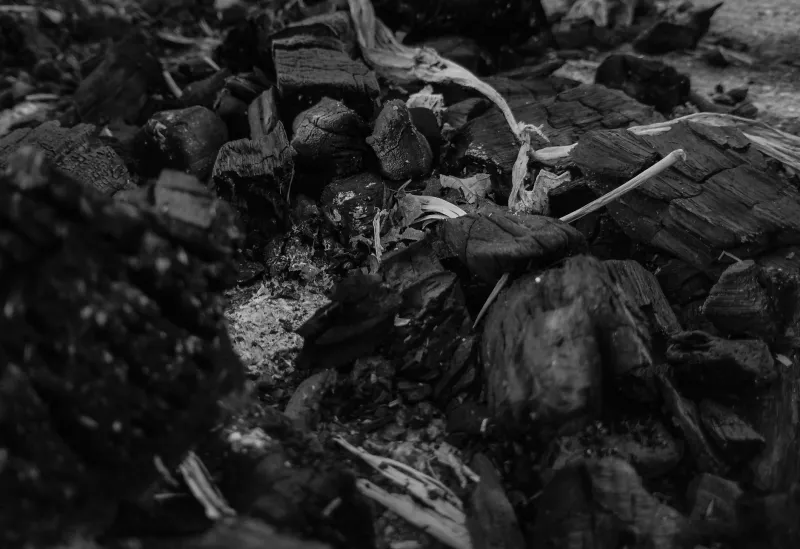
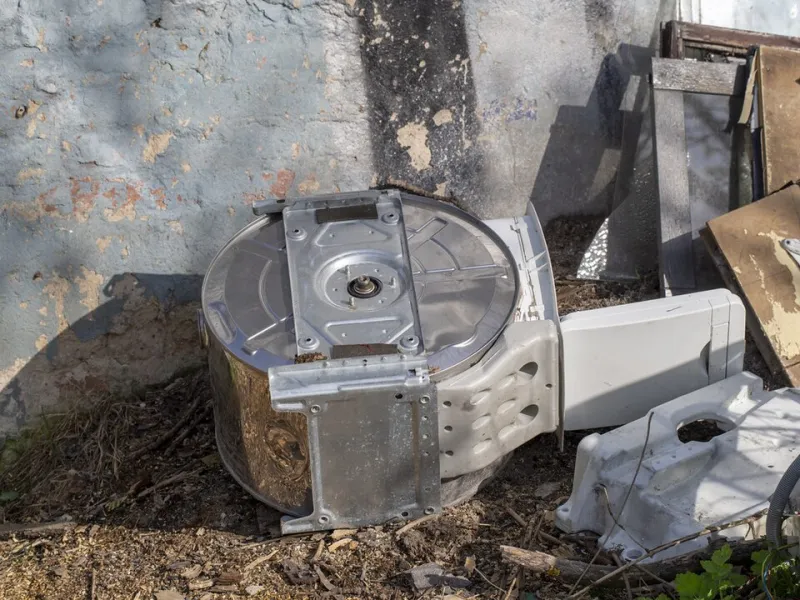
Every November the same thing happens in gardens across the UK. The fifth comes and goes, the bonfire reduces a winter's worth of prunings to ash, and the morning after you're left standing in front of a fire pit that has seen better days, a gazebo frame bent into an abstract sculpture, and a barbecue grill that looks like it's been through a war. Some of it is worth weighing in. Some of it is just hot rubbish. Telling the two apart is the whole job.
Start with the things that aren't scrap at all
Before anyone talks about kilos, clear out the genuinely hazardous bits. Bonfire debris is full of items that no reputable collector should touch, and that a rogue one will happily shove in the back of a van and tip into a hedge.
- Gas canisters and aerosols. Even empty ones can hold pressure. They're not metal scrap in any practical sense — they're hazardous waste.
- Fairy lights and lantern batteries. Lithium cells and button batteries are a fire risk in a scrap pile and a nightmare at the yard. Take them to a supermarket collection point.
- Firework casings and tubes. Cardboard and clay, mostly. If a device failed to go off, don't handle it — soak it in water and follow your council's advice.
- Melted plastic, foam padding and rubber seals. These are the enemy of a fair price, and we'll come back to why.
Strip those out first and the rest becomes a much more sensible conversation.
What actually earns its place on the scale
Garden metal after a bonfire tends to fall into three rough bands.
At the top, you've got aluminium — gazebo legs and connector joints, folding chair frames, some lantern bodies, the casting on older garden tables. Aluminium is light, so a full car boot rarely weighs much, but per kilo it's a genuinely decent metal. A bent frame is still a frame. Deformation doesn't bother a yard half as much as contamination does.
In the middle sits stainless steel — better barbecue grills, some fire pit bowls, outdoor kitchen fittings, the odd planter. It holds its value well and survives heat far better than people expect. A stainless grill that's blackened but structurally sound is a reasonable item to weigh in.
At the bottom, value-wise, are cast iron and mild steel — heavy fire pit bowls, cheap grills, chiminea parts, planters, tools, chains, wheelbarrows, tent pegs. These are priced at the lower end of the scale, so the money is in the weight rather than the metal. That's fine. A cast iron fire pit bowl can be genuinely heavy, and heavy is the point.
What's usually not worth the trip: foil trays, thin decorative sheeting, and anything so far gone it's more oxide than metal. If it crumbles when you pick it up, it's rust with ambitions.
Why heat and ash eat into the price
Here's the bit most people don't hear. Scrap metal is bought on weight and grade, and both are affected by what's stuck to the metal.
A fire pit that's been sitting under a season of bonfires will be carrying ash, charcoal, burnt-on food, melted plastic from a dropped plate, and a thick layer of oxide scale. The yard weighs the whole thing, then has to work out what proportion is actually metal. Heavy contamination on a low-value metal like mild steel can wipe out most of the value of the item entirely.
Aluminium is a bit different. The metal itself doesn't degrade with heat, but thin aluminium that's been melted and pooled into ash becomes what's effectively dross — hard to recover, low yield. A warped gazebo frame is fine. A puddle of aluminium fused to a patio slab is not.
One more thing worth knowing: don't burn off coatings to clean things up. Burning galvanised steel releases zinc fumes that are genuinely nasty to breathe, and burning painted or plastic-coated metal is a good way to turn a sellable item into a contaminated one — and to annoy your neighbours. Wire brush and a bit of elbow grease is the better trade.
Three piles, one afternoon
The most efficient way to handle a bonfire Night clear-out is to sort before anything leaves the garden.
Pile one: clean and ready. Aluminium, stainless, cast iron and steel, roughly separated, shaken free of ash, with plastic handles, rubber feet and nylon fittings removed where you reasonably can. Bolts of a different metal aren't a disaster, but every bit of separation helps the grade.
Pile two: needs a scrub. Anything caked in ash or food residue. A stiff brush and ten minutes makes a measurable difference to how it's graded.
Pile three: not metal, or not worth it. Rotten timber, melted plastic, broken glass from lanterns, foil, and the hazardous items from earlier.
Photograph each pile before it goes. Not because anyone will ask, but because a dated photo of what you handed over is the simplest record you'll ever keep.
Getting it collected without the runaround
If you're booking a collection, be precise about what's there. Tell the collector you've got a mixed garden load with aluminium frames, a stainless grill and some cast iron, roughly how much space it takes up and whether it's accessible from the road. A collector who prices clearly will want to know the grade mix, because that's what the price depends on. Anyone who quotes a figure before asking a single question about the metal is guessing — and the guess will be in their favour.
Ask how the price is calculated, whether you'll get a weighbridge ticket, and how payment is made. A fair collector has no problem with any of those questions.
The rogue-collector checklist
The weeks after Bonfire Night bring out the van-and-a-mate brigade. A few quick checks separate the legitimate from the fly-tippers:
- Waste carrier registration. Legitimate collectors in England must be registered with the Environment Agency; Wales, Scotland and Northern Ireland have their own regulators. Ask for the number. It's a thirty-second check online.
- No cash-only, no-ticket offers. A written or digital record of weight and price is standard practice, not a favour.
- Beware of 'we'll take it all for free'. Free removal of a mixed load often ends up in a lay-by. You can be liable for the cost of clearing it.
- Never hand over a sealed container, canister or battery to someone who doesn't ask what's in it.
Bonfire Night leaves a surprising amount of metal behind, and most of it is worth more than the effort of a phone call. Sort it, brush it down, ask the awkward questions, and the fifth of November can pay for a bit of the Christmas shop.
Prices move with the market. B&P Scrap Co. prices every collection against the day's scale, with a ticket to match.