The Weight You Lose Before the Scale: A Realistic Guide to Scrap Metal Contamination

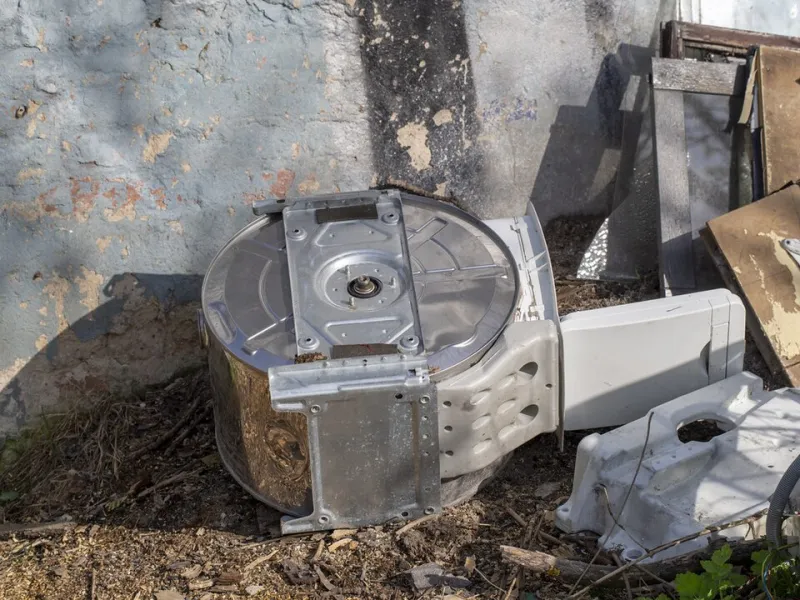
Photo: Amal Kumar, CC0, via Wikimedia Commons
Scrap metal pricing has a habit of looking simple from the outside. You have a pile of metal, it gets weighed, and a number comes back. In reality, the number is shaped by what the yard can recover, how much processing the material needs and whether the load is one clean grade or a muddle of different things. That is where contamination comes in — not as a dramatic scam, but as a practical cost that quietly follows rusty, painted and greasy metal through the system.
At B&P Scrap Co., we deal with this every week on UK driveways, in garages and behind small business units. The aim here is not to turn you into a weekend metal polisher. It is to explain what contamination does, what it does not do, and when a bit of prep genuinely pays.
What contamination actually means at the yard
Contamination is anything attached to or mixed in with the metal that is not the metal you are selling. That can be obvious — a steel bolt stuck in an aluminium frame, a plastic handle on a brass tap, oil sitting in a sump. It can also be subtle: solder on copper pipe, paint on aluminium extrusions, rubber seals, foam backing, concrete stuck to rebar, or a length of lead flashing nailed to timber.
Yards are not being fussy for the sake of it. Every non-metal item has to be separated, cut away or processed. Some contamination is harmless in small amounts. Some can push a load into a lower grade. Some, like oil-soaked material or items with hazardous residues, may need special handling. The price difference is usually about recovery and effort, not punishment.
The difference between weight and value
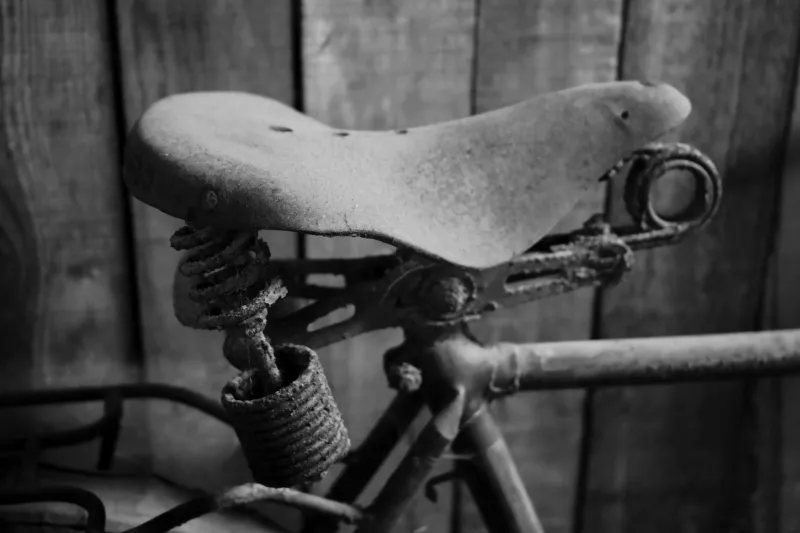
A common misunderstanding is that contamination only matters because it adds weight. It does, but that is only part of the story. A greasy bike frame still weighs roughly what it weighed before. The issue is that the yard may have to clean, sort or downgrade it. A copper cylinder with brass fittings is still largely copper, but the fittings have to be removed and priced separately. A painted aluminium window frame is not suddenly worthless, but it may not attract the same rate as clean aluminium.
So the question is not simply ‘how heavy is it?’ It is ‘what grade can this realistically be sold as?’ That is why two loads of similar weight can produce different offers. One is clean and sorted; the other is mixed and partly coated. Neither is a con — they are different products.
Rust: the guest that never leaves
Rust is the contamination people worry about most, and often for the wrong reasons. Light surface rust on steel is normal. Old steel that has been sitting in a damp shed is not automatically refused. Yards deal with rusty steel all the time because steel is still steel. But heavy rust, scale and pitting mean less recoverable metal and more processing. A heavily rusted item may be priced lower than clean heavy steel, and very thin rusted sheet can be closer to scrap than useful material.
The practical point is this: do not spend an afternoon wire-brushing a rusty gate to chase a better grade. For most household steel, the scale will decide and the difference will be modest. Do, however, keep steel separate from other metals, remove obvious non-metal attachments and avoid leaving it out in the rain if you can help it. A dry pile is easier to handle than a wet one.
Paint, grease and the mixed-metal problem
Paint is a bigger issue on non-ferrous metals. Painted aluminium, for example, may be bought at a lower grade than clean aluminium because the coating has to be dealt with. Thick powder coating, plastic liners and rubber seals all add work. Grease and oil are similar: a lightly oily bracket is usually fine, but a gearbox full of oil, an engine block with fluids still inside or oil-soaked rags mixed into a load can cause problems and may need separate handling.
Mixed metals are the quiet price killer. A brass tap with a steel nut, copper pipe with plastic fittings, stainless steel mixed with ordinary steel — these are all common in household clear-outs. The fix is not always to strip everything down. It is to separate what separates easily and to be honest about what is still attached. A yard can often handle mixed loads, but the price will reflect the sorting.
Myth-busting: what is not worth scrubbing
There are a few ideas that sound sensible but rarely pay. Scrubbing every item until it shines is usually a waste of time. Yards buy grades, not showroom condition. Removing every last screw from a large steel item is often pointless if the screw is a tiny fraction of the weight. Trying to clean paint off a large aluminium frame with harsh chemicals is usually more hassle than the uplift justifies, and it can create a disposal problem of its own.
Another myth is that rust ruins every metal. It does not. Rusty steel is still traded. The real issue is how rusty, how thin and how mixed it is. A little surface rust on a heavy item is very different from a crumbling sheet of corrugated metal.
Prep that actually helps
Useful preparation is mostly about separation and common sense. Keep ferrous and non-ferrous metals apart. Drain obvious fluids from engines, gearboxes and machinery before collection. Remove easy non-metal parts such as plastic handles, rubber hoses and large chunks of wood. Keep copper, brass, aluminium and stainless steel in separate boxes or piles if you have enough of each to matter. Bag small offcuts so they do not get lost in the bottom of a skip.
If you are dealing with a small amount of copper pipe, cutting off brass fittings is often worth it because copper and brass are priced differently. If you have a few clean aluminium castings, keep them away from painted extrusions. If you have a single rusty steel gate, do not turn it into a project — just add it to the steel pile. The goal is a fair grade, not laboratory purity.
When to let the scale decide
For many household loads, the best advice is to do the easy separation and stop there. A mixed bag of old brackets, a rusty bike frame, a painted radiator and a few bits of pipe is normal. The yard can weigh and grade it. Spending hours stripping tiny items can eat up a Saturday and produce very little extra cash.
Let the scale decide when the item is bulky, heavily rusted, painted, greasy or awkward to strip. Ask for the grade to be explained if you are unsure. A fair collector should be able to tell you why a load is priced the way it is, rather than offering a vague number and moving on.
A fair quote should explain the grade
Contamination is not a secret tax. It is part of how scrap metal is bought and sold. The sensible approach is to separate what is easy, keep the load dry and honest, and accept that some cleanup is not worth the effort. At B&P Scrap Co., we would rather explain the grade than hide behind a vague quote. If you are clearing a garage, a shed or a small business unit in the UK, a priced collection should make the boring details clear — what is being collected, how it is graded and what affects the price. That is how you get a fair deal without turning your driveway into a scrapyard.