The Shed Clear-Out Test: Repair, Resell or Weigh In Your Old Bikes, Tools and Mower
There’s a particular kind of guilt that comes from opening a shed door in November. The bike you meant to fix. The strimmer that died halfway through the hedge. The toolbox with three working screwdrivers and a lot of rusty hope. None of it is technically rubbish, but none of it is being used either.
Scrap isn’t always the answer. Neither is hanging on to something for a decade because it was expensive once. The useful question is simpler: what is this item worth now — as a working thing, as parts, or as metal on a weighbridge? That’s the test this guide uses.
Start with the honest question: will anyone actually use it?
Before you price anything, imagine the item in someone else’s hands. Not your fantasy self who enjoys servicing carburettors on a Sunday. The actual buyer scrolling through Facebook Marketplace while the kettle boils.
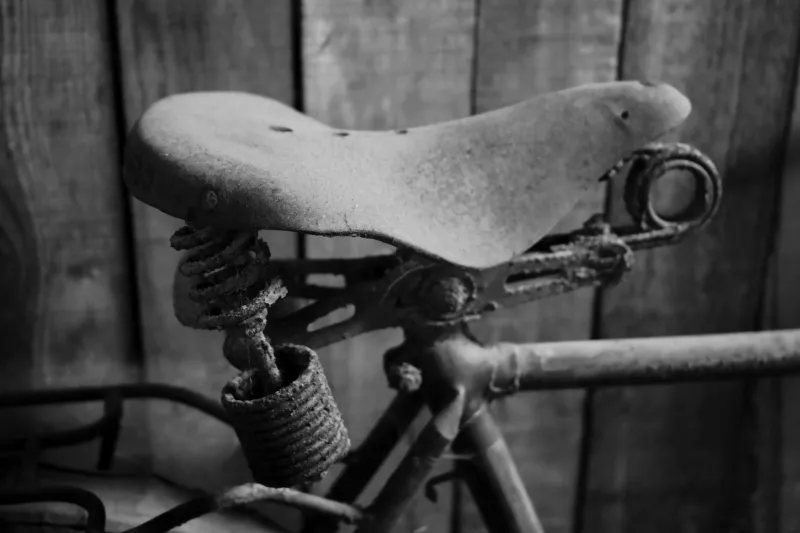
A decent adult bike with a straight frame and serviceable gears usually has a second life. A child’s bike that’s been left outside for two winters, with rusted brake cables and a seized bottom bracket, is a harder sell. Old hand tools are similar. A quality wrench or a solid pair of secateurs might be worth cleaning and selling. A set of cheap spanners with rounded jaws is probably scrap steel.
Ask three questions:
- Does it work, or can it be made to work with a basic service?
- Are the missing parts cheap and easy to find?
- Would you buy it yourself at a sensible second-hand price?
If the answer to all three is no, stop trying to rescue it. That’s not being wasteful — it’s being realistic.
Repair maths: parts, labour and the cost of good intentions
Repairing things is usually the greener option, but only when the repair is proportionate. A new inner tube and a set of brake blocks on a bike is sensible. A new motor on a budget strimmer may cost more than the tool is worth.
For garden machinery, price the obvious parts first: spark plug, air filter, fuel lines, starter cord, blade. If the repair is under a third of the cost of a comparable replacement, it’s worth considering. If you’re paying a shop to do the work, add labour before you decide. If you’re doing it yourself, be honest about whether you have the time and the right tools.
There’s also a safety line. Petrol mowers and strimmers that have been sitting with old fuel can be fiddly, but they’re not inherently dangerous to work on if you’re careful. Battery-powered tools are different. A swollen or damaged lithium-ion battery is not a shed project — it’s a fire risk. Don’t puncture it, don’t put it in household waste, and don’t hand it to a scrap collector as part of a mixed load. Take it to a proper battery recycling point.
Resale reality: fees, faff and the Facebook Marketplace factor
Selling second-hand has never been easier in theory, and more tedious in practice. Photographs, messages, no-shows, haggling over a fiver. That doesn’t mean you shouldn’t do it, but the time has a value.
A working bike might fetch £40–£100 depending on condition and brand. A decent petrol mower that starts first pull could be £60–£120. A box of mixed old tools might be £15 to the right person. But if you spend three evenings answering messages and still have the item in your hallway, the real return is lower than it looked.
Resale works best when the item is clean, complete and easy to demonstrate. It works badly when the item needs explaining. If your listing has more caveats than a used car advert, it’s probably scrap.
When weighing in is the fairer option
Scrap metal isn’t a magic money tree. Old bikes are mostly steel and aluminium, and a single bike won’t make you rich. Garden machinery is a mix of steel, aluminium, plastic and rubber, and collectors price mixed loads differently from clean metals. That’s normal. The fair question is whether the collection is clear, convenient and honestly weighed.
Weighing in makes sense when the item is beyond economic repair, when the metal is bulky, or when you have a shed’s worth of small stuff that would take weeks to sell individually. Old bike frames, rusty toolboxes, broken lawnmower decks, metal garden furniture and bundles of cable can all add up. It also makes sense when safety is a concern — a damaged battery tool or a fuel-soaked mower isn’t something to store indefinitely.
At B&P Scrap Co., we’d rather you understood the trade-off than felt pushed into a skip. A fair collector will tell you what’s likely to have resale value and what’s better weighed in. That’s not upselling; it’s just sensible.
Safety first: fuel, batteries and sharp bits
Before anything leaves your shed, make it safe. Drain petrol and oil from mowers and strimmers, and dispose of them properly through your local council recycling centre. Remove batteries — especially lithium-ion packs — and take them to a dedicated battery recycling point. Empty grass boxes and fuel tanks. Tie up loose cables. Wrap sharp blades in cardboard or tape.
If you’re handing over a bike, remove any panniers, lights or child seats you want to keep. If you’re scrapping a mower, check there’s no leftover fuel in the tank or oil in the sump. A collector shouldn’t have to deal with hazardous liquids, and a good one will ask.
A short prep checklist before you call a collector
- Sort items into working, repairable and scrap.
- Clean off loose soil and grass — weight is weight, but mud isn’t metal.
- Remove plastic, rubber and wood where it’s easy to do so.
- Keep cables and bright metal separate from mixed scrap.
- Drain fuel and oil from garden machinery.
- Remove and recycle batteries separately.
- Take photos of the pile before collection.
- Check access — will the collector need to walk through a side gate?
Five questions to ask a UK scrap collector in 2026
- Are you a licensed waste carrier, and can you show your registration?
- Is the collection free, and are there minimum load sizes or call-out charges?
- How do you price mixed loads, and will you explain any deductions?
- Can I see the weight or receive a receipt for the collection?
- What happens to items that aren’t processed as scrap?
A vague answer to any of those isn’t automatically a red flag, but a clear answer is always better. You’re not being awkward by asking. You’re just making sure the deal is fair.
The bottom line
Sell it if it works and you’re willing to deal with buyers. Fix it if the repair is cheap, safe and genuinely likely to happen. Scrap it if it’s beyond sensible repair, bulky, mixed, or taking up space you need. The right answer isn’t always the one that makes the most money on paper — it’s the one that gets the item out of your shed and into its next useful life, whether that’s a new owner, a repair bench or the recycling stream.