Period Property, Modern Paperwork: A Calm Guide to Scrapping Metal from an Old Home
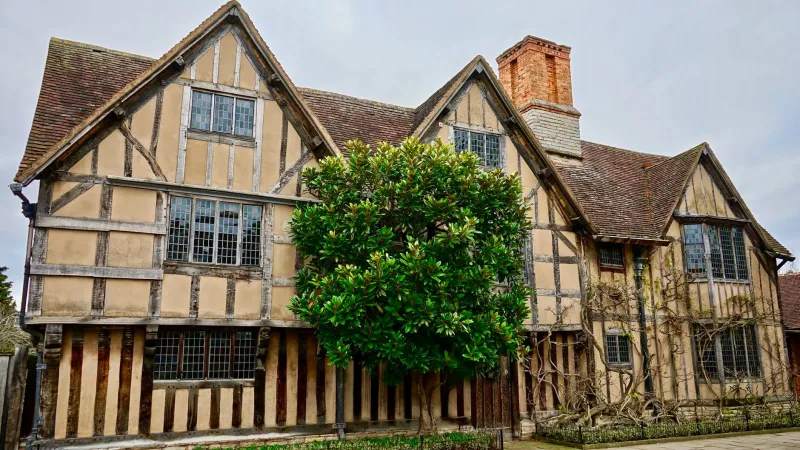
Old properties have a habit of holding on to metal. There’s lead flashing around a chimney, a length of cast-iron guttering that has outlived three owners, and pipework in the cellar that hasn’t carried water since the last century. If you’re clearing, repairing or renovating, it’s natural to wonder what’s worth weighing in. The answer is usually “some of it” — but in a period or listed home, the paperwork matters as much as the price.
This isn’t legal advice, and every building is different. Think of it as a practical filter: what’s genuinely redundant, what’s part of the building’s character, and how to keep a fair collector on the right side of the story.
First, separate “metal” from “fabric”
The useful distinction is not “shiny versus rusty”. It’s whether the metal is a removable, later addition or part of what makes the building historically interesting.
A cracked length of lead flashing that a roofer is replacing is usually maintenance. A redundant copper pipe feeding an old water tank that was installed in the 1970s is usually fair game. A set of original cast-iron rainwater goods, decorative ironwork, an old lead roof covering or a fireplace surround is a different matter. Those can be fixtures — and in a listed building, removing or altering fixtures can require listed building consent.
“Cosmetic” is a slippery word. A modern door handle is cosmetic. A hand-forged iron latch on an old oak door may be part of the building’s story. If the metal was there when the building was listed, or looks like it was, don’t let the scrap value make the decision for you.
The metals you’ll actually find in an old property
Lead is the big one. Flashing, gutter linings, old water pipes and roof details can all contain lead. It’s heavy, it’s worth money, and it’s also the metal most associated with architectural theft. That’s why a fair collector will be careful about where it came from.
Cast iron turns up as gutters, downpipes, drain covers, radiators and old range parts. It’s bulky and heavy, and prices are usually modest per kilo, but a garage full of it adds up. Copper and brass appear in pipework, tanks, valves and fittings. Aluminium may be in later window frames, greenhouses or vents. Mixed scrap is fine, but separating metals usually gets you a clearer price.
Where listed building consent bites
In England, Wales and Scotland, listed building consent is the usual route for works that affect a listed building’s character. In Northern Ireland, the system is different but the principle is similar: check before you remove. A conservation officer would rather answer a quick question than investigate an unauthorised removal.
Don’t assume that because something is “just metal” it falls outside the rules. Original rainwater goods, iron railings, window fittings, roof coverings and internal fixtures can all be part of the listing. Replacing cast iron with plastic may look like a repair to you and an alteration to the local authority.
If consent is needed, get it before the scaffold goes up — not after the lead is already in the van. If consent isn’t needed, keep a note of who told you so, or why you concluded it wasn’t required. A short email to the conservation officer is cheaper than a retrospective application.
What a fair collector will ask about architectural lead
A legitimate scrap collector in 2026 should not be shy about provenance. If you ring up and say “I’ve got a load of old lead, can you collect?”, a fair operator will ask where it came from, who removed it, and whether you have anything to show the removal was legitimate. That isn’t nosiness. Architectural lead theft is a real problem, and a collector who takes vague loads without questions is not the one you want handling your metal.
Expect questions like: Is this from your own property? Was it removed by a roofer or contractor? Do you have an invoice, photos or a consent reference? Is any of it original listed-building fabric? A good collector will also explain what they need before the van arrives, so the collection doesn’t stall on the driveway.
Documenting a legitimate removal
Keep it simple. Before work starts, take photos of the metal in place, with a wider shot showing the building or room. Note the address and date. If a roofer or builder removes the lead, keep their invoice or a short written note describing the work. If listed building consent was involved, file the reference number. Then photograph the removed metal before collection — rolled lead, stacked pipe, whatever it is.
When the collector arrives, you should be able to say: this came from this address, this person removed it on this date, and here is the paperwork. The weighing and grading then become ordinary, rather than an awkward interview.
Keep the original stuff out of the skip
If you’re unsure whether an item is original, pause. Cast-iron fireplaces, decorative railings, old lead-lined troughs and ornate rainwater heads are not just heavier scrap — they’re architectural salvage. Ask the conservation officer, a reputable salvage yard or a building surveyor before you treat them as weigh-in metal. Sometimes the right answer is repair, reuse or sale, not the furnace.
Getting the load weighed in without drama
Separate lead, copper, brass and cast iron where you can. Keep lead dry and rolled or folded into manageable pieces. Don’t mix old lead flashing with general builder’s waste and then wonder why the price is vague. Ask for a written ticket showing the weight, grade and price. If the load includes anything that came out of a listed building, mention it upfront — a fair collector will respect the honesty and price the metal on its merits.
Scrapping from an old property isn’t difficult, but it is slower than clearing a modern garage. Treat the building’s history as part of the job, document the removal, and the weigh-in stays straightforward. That’s better for your price, your conscience and the building itself.