When the Driveway Isn't Yours Alone: Booking a Fair Scrap Collection on Shared Access
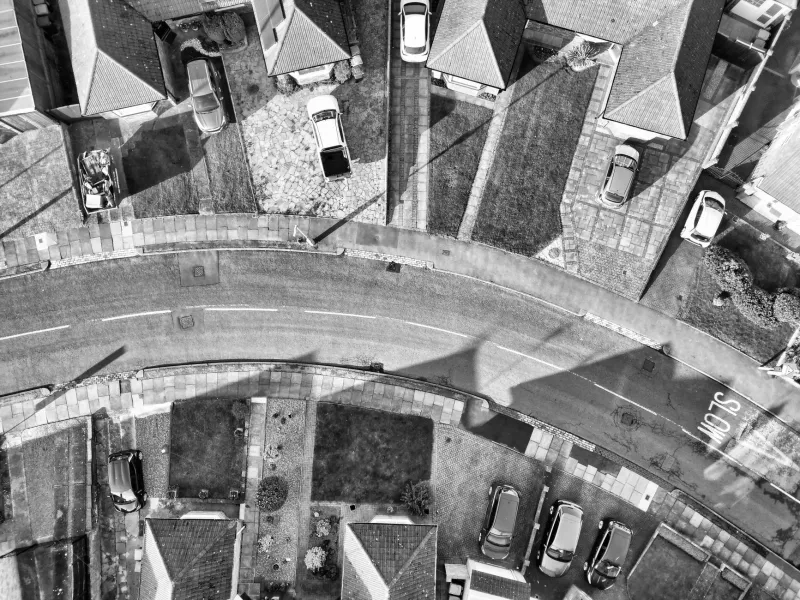
Scrap metal is rarely the awkward part of a collection. The awkward part is usually the bit before the van arrives: the shared driveway, the gated alley behind the terraces, or the communal parking bay where everyone has an opinion and nobody has a spare key. If access isn't yours alone, a fair collection needs a little diplomacy and a paper trail. Not a committee meeting — just a few sensible steps before you book.
Treat Access as a Separate Job from the Scrap
A collector can only price and collect what they can safely reach. So before you start thinking about copper grades or the weight of an old radiator, walk the route a van would take. Is there a locked gate? A sharp turn past a wheelie bin store? A neighbour's car parked exactly where a tail lift needs to go? These details matter more than most people expect.
Write down the practical stuff: gate width, any steps, where the metal is currently sitting, and whether there's room to turn. If you're in a flat or a back-of-terrace property with a shared alley, note who holds the key and whether there's a formal arrangement for access. A quick photo of the route is often more useful than a paragraph of description.
The Access Window: Be Narrower Than You Think
"Wednesday morning" is not an access window. It's a guess. A collector needs a realistic slot, and your neighbours need to know when their drive will be partly blocked. A two-hour window is usually more honest than a vague half-day, and it gives everyone something to plan around.
Have the conversation early. If three households share the drive, a quick text or a note through the door is fine. Explain what's happening, when the van is expected, and whether cars need to be moved. In terraced streets with gated rear access, check whether the council or a managing agent has rules about collection vehicles. It's better to ask now than to have a neighbour flag down the van with a list of complaints.
If someone needs their car for work, work around it. A collection can wait an hour; a shift usually can't.
What the Collector Needs to See Before the Day
A fair collector will want to understand the job before quoting. Send photos of the metal, the route and the gate. Mention any code or key arrangement, but don't send sensitive details in a group chat — a direct message or phone call is better. If communal parking is involved, check whether a parking suspension or permission is needed. Some managing agents are relaxed; others are not.
Don't expect a collector to knock on doors and negotiate access on your behalf. That's your job as the person booking. The collector's job is to arrive, weigh, price and load safely. Keeping those roles separate makes the day run smoothly.
Whose Metal Is It? The Joint-Ownership Conversation
Shared access often comes with shared stuff: an old radiator from a communal outbuilding, a mower left in a shed that three people use, a bike rack nobody remembers buying. Before the van arrives, agree who owns what and how the value will be handled.
There are a few sensible options. One person can book the collection and share the proceeds afterwards, using the weigh ticket as the record. Or you can list the items and agree percentages in advance — a text message is enough, as long as it's clear. What you want to avoid is the phrase "we'll sort it out later", because later is where neighbourly fallings-out live.
If an item is genuinely jointly owned, say so before the weigh-in. A collector can't split ownership for you, but they can give you a clear ticket that makes splitting the money straightforward.
The Weigh-In Ticket Is Your Peace Treaty
A documented weigh-in is the simplest way to keep things fair. It should show the weight, the metal grade, the price per kilo, the total and the collector's details. If you're sharing the proceeds, take a photo of the ticket and send it to the other people involved. That one image does more for neighbourly relations than a dozen reassuring messages.
Be wary of any collection that offers a round sum with no paperwork. A vague price is hard to share fairly and even harder to question later. At B&P Scrap Co., we price clearly and weigh in front of you, so the ticket tells the story. That's not just good practice for the customer — it's useful when a neighbour wants to know why the old cylinder fetched what it did.
When the Answer Is No
Sometimes a neighbour simply doesn't want a van on the shared drive. That's their right, and forcing the issue rarely ends well. Look at alternatives: can the metal be moved to a front garden or a legal kerbside spot? Can the collector park at the end of the drive and carry items out? If you're waiting for a neighbour to be away, get their permission first — don't assume an empty driveway means a yes.
And don't leave scrap on communal land as a hint. It's not a subtle negotiating tactic; it's just clutter with extra steps.
A Short Checklist Before You Book
- Walk the route and photograph the tricky bits.
- Agree a realistic two-hour access window with everyone who shares it.
- Check parking, gate codes and any managing-agent rules.
- Decide who owns what and how the value will be split.
- Send the collector clear photos and access notes.
- Agree who receives the weigh ticket and share it afterwards.
Shared access doesn't have to mean shared stress. A few honest conversations and one clear weigh ticket can turn a potential standoff into a perfectly ordinary collection — the kind where everyone knows what's happening, what it weighed, and what it was worth.