The Urn, the Minutes and the Weighbridge: A Village Hall Clear-Out Done Properly
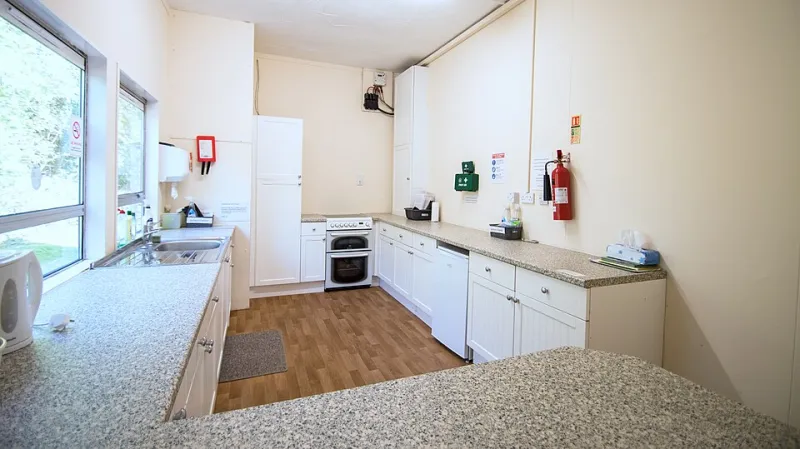
Photo: Little Kazakh Alien, CC BY-SA 4.0, via Wikimedia Commons
Every village hall has a back kitchen that doubles as a museum of good intentions. The stainless steel urns from countless jumble-sale teas, the stack of chairs with bent frames, the trolley that lost a wheel in 2019 and has been leaning against the radiator ever since. When the committee finally decides to reclaim the space, the question is not whether the metal is worth something. It is whether anyone can prove, months later, that it was removed properly. A village hall is usually a charity or a charitable trust, and volunteers are accountable to trustees, members and sometimes the Charity Commission. A well-meaning clear-out can turn into a governance headache if the paper trail is thin.
Begin with a decision, not a skip
Do not start by ringing a scrap collector. Start with a trustee meeting. Put the clear-out on the agenda, describe the items in general terms, and minute the decision to dispose of obsolete metal. The minute does not need to be legalistic. It needs to record who approved the removal, what was approved, and that the items were no longer needed for the hall's purposes. If an item was donated with a plaque or a condition, check the minutes or donation records first. A memorial chair or a donated urn may carry an expectation, even if no one remembers it.
What is metal, what is fixture, and what is someone else's problem
Village halls blur the line between loose equipment and building fabric. A freestanding catering urn is equipment. A radiator plumbed into the heating system is part of the building, and removing it can mean draining the system, disturbing asbestos, or invalidating insurance. A handrail screwed to a wall may be a fixture. A trolley in the corridor is almost certainly loose. Before anything is unbolted, ask: is this item fixed, connected to services, or listed in the building's inventory? If yes, leave it and take advice. If it is a loose item that has not been used for years, photograph it, list it, and get trustee sign-off.
Sort the piles before the collector arrives
The simplest sorting rule is a magnet. Ferrous metal — steel and iron — sticks. That covers most chair frames, trolley chassis, filing cabinets, shelving uprights and old tools. Non-ferrous metal — aluminium, copper, brass, lead and zinc — does not stick, and it is generally worth more per kilo. Stainless steel is its own grade: many catering urns, sinks and prep tables are stainless, and although it is a steel alloy, it is usually priced separately from heavy iron. Keep three rough piles: ferrous, non-ferrous, and stainless. Do not mix them in one box. A mixed load is harder to weigh, harder to grade, and easier to underpay.
Also empty and clean anything that held food. An urn with limescale and tea stains is fine; an urn full of old water is not. Remove plastic handles, rubber feet and wooden chair seats where you can. Contamination lowers value, and a fair collector will tell you that before the scale, not after.
The paper trail that protects volunteers
A clear-out is a disposal of assets, even if the assets are rusty. Keep a simple file: the trustee minute, a dated inventory with photos, the collector's name and licence details, the weighbridge ticket, and the payment record. In the UK, scrap metal dealers must be licensed by the local authority, and waste carriers should be registered. Ask for those details before booking. A legitimate collector will not mind.
Payment should go to the hall's bank account, not to an individual volunteer's pocket. If the amount is small, still record it as a donation or fundraising income in the accounts. If the hall is a charity, check whether the disposal needs to be reported. It usually does not for low-value obsolete equipment, but the decision should be documented.
Booking a fair weighed collection
Once the piles are sorted and the paperwork is agreed, book a collection. Be honest about access: narrow lanes, a gravel drive, a locked gate, a kitchen up three steps. A collector who knows the site can bring the right vehicle and the right number of people. Ask how the load will be weighed — a weighbridge ticket is the benchmark — and ask for the grade breakdown before the metal leaves. If a quote is a round figure with no weight, ask what it is based on.
At B&P Scrap Co., we price clearly and weigh fairly, and we are happy to work with volunteer committees who need a receipt and a paper trail. The point is not to squeeze every penny from a dead trolley. The point is to clear the hall, raise a little funds, and be able to show exactly what happened.
A clear hall, a clean conscience
The urns may only fetch a modest amount. The chair frames may be worth less than the space they free up. But a documented clear-out does something else: it lets volunteers hand over the keys at the end of the year without wondering whether a skip full of metal went missing. Sort it, minute it, weigh it, bank it. Then put the kettle on — in an urn that still works.