The Driveway Ornament’s Final Journey: Scrapping a Car That Never Ran Again
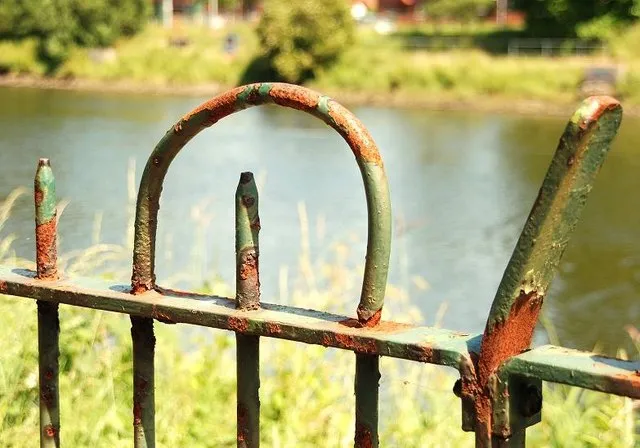
Photo: Albert Bridge, CC BY-SA 2.0, via Wikimedia Commons
Every driveway has one. The car under the tarpaulin, the van behind the shed, the ride-on mower that was going to be a winter project and is now mostly a home for spiders. The intention was good. The execution stalled somewhere around a seized bolt and a busy summer. Now the thing is a garden ornament with a number plate, and you are wondering whether to throw more money at it or finally call time.
This is not a lecture about giving up on your dreams. It is a practical guide to the point where a project stops being a project and starts being scrap metal — and how to get rid of it without creating a paperwork headache that outlasts the car itself.
When a project becomes a planter
There is no shame in admitting that a vehicle has moved beyond economic repair. Rust in the sills, a snapped cambelt, a gearbox that makes sounds like a bag of spanners, or simply a stack of bills that would buy a decent second-hand replacement — any of these can be the moment to stop. The tricky part is separating sentiment from reality.
A useful test is to ask what you would pay someone else to take on the same vehicle, knowing what you know now. If the answer is “not much”, the scrap value is probably the honest number. That does not mean the car is worthless. It means its value now sits in its metals, its reusable parts and its weight on a weighbridge, not in the dream of a future MOT pass.
What a scrap collector actually sees
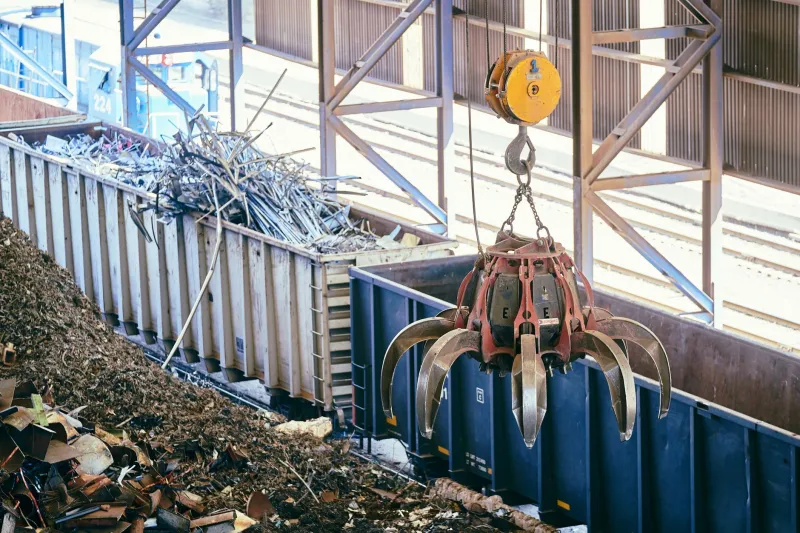
A fair collector is not looking at your car as a failed restoration. They are looking at a collection of materials and components that need to be handled properly. The headline items are usually alloy wheels, a catalytic converter, the battery and the steel shell itself. Depending on the vehicle, there may also be value in the engine, gearbox, alternator, starter motor and certain trim pieces.
Not all of that value is guaranteed. An aftermarket catalytic converter may be worth far less than an original one. Alloy wheels only help if they are genuine, round and not cracked. A battery has scrap value, but it also needs correct handling because of the lead and acid. Clean steel is straightforward; a shell full of wet leaves, mud and mixed rubbish is less so.
Condition and access matter as much as the metals. A car that rolls, steers and has keys is easier to collect than one sunk to the axles in gravel. A vehicle with a clear path to the road is simpler than one wedged behind a locked gate. None of this makes it unscrappable, but it does affect how the job is priced and planned.
The paperwork is not the boring bit
This is where a lot of people get caught. A scrap car is not just a heavy object leaving your property. It is a registered vehicle, and the registered keeper remains responsible for it until the records are updated properly.
If the vehicle is off the road and not insured, it should normally be declared off-road with a SORN. If you are scrapping it, use a business that operates as an authorised treatment facility, or ATF. An ATF can depollute the vehicle correctly and issue a Certificate of Destruction. They also notify the DVLA, which is the bit that stops you being chased for penalties, parking tickets or insurance issues long after the car has been turned into something useful.
Keep the V5C logbook to hand. Do not hand it over to a random buyer who turns up with cash and a trailer but no paperwork. If someone offers to “sort all that out” and disappears with the vehicle, you may still be listed as the keeper. That is a poor trade for a quick sale.
Also check for outstanding finance before you scrap anything. A vehicle on hire purchase or a lease does not belong to you in the way you might assume. Settle the agreement first, or speak to the finance company, so the paperwork is clean before the collector arrives.
Getting it ready without rebuilding it
You do not need to strip the car to make it scrap-ready. In fact, removing parts without agreeing it first can reduce the price or complicate the collection. What helps is making the vehicle safe and accessible.
Clear personal belongings, remove the keys from wherever they have been hiding since 2023, and find the locking wheel nut if there is one. Make sure there is a sensible route from the vehicle to the collection vehicle. If it does not roll or steer, say so upfront. If it is full of old tools, paint tins or household rubbish, clear those out — they add weight but not value, and some items may not be accepted at all.
Do not drain the fluids yourself unless you know exactly what you are doing. Fuel, oil, coolant and brake fluid need proper handling. A reputable collector will have a plan for depollution. If the fuel tank is unusually full, mention it, because it affects how the vehicle is moved and processed.
Ride-on mowers, vans and the garden-shed exception
Not everything with an engine needs the same DVLA treatment. A ride-on mower that has never been registered for road use is usually a straightforward metal and components job rather than a vehicle-scrapping exercise. Vans and cars are different. If it has a V5C and a number plate, assume the paperwork applies until someone reputable confirms otherwise.
Choosing a collector who won’t leave you with a headache
A fair scrap collection should feel calm and documented. You should get a clear price, an explanation of what is being collected, and confirmation of how the paperwork will be handled. Ask whether the collector works with an ATF, whether you will receive a Certificate of Destruction, and what happens to the V5C.
Be wary of anyone who promises “cash, no questions” and gets twitchy when you mention the DVLA. A legitimate scrap collection is not a secret transaction. It is a recorded transfer of a vehicle that needs to be depolluted and recycled properly.
At B&P Scrap Co., the aim is straightforward: a fair price, a clear collection plan and the paperwork done properly. That matters more than a flashy quote, because the last thing you need is your old project car coming back to haunt you by post.
The weighbridge moment
Scrapping a car that never ran is rarely a joyful occasion, but it can be a relief. The driveway opens up. The tarpaulin goes in the bin. The unfinished project stops being a weekly guilt trip and becomes a few hundred kilos of metal that will be reused rather than left to rot.
Rust in peace, as they say. Just make sure the paperwork is as tidy as the empty space it leaves behind.