The Upright Nobody Wants to Shift: Sizing Up an Old Piano for Scrap
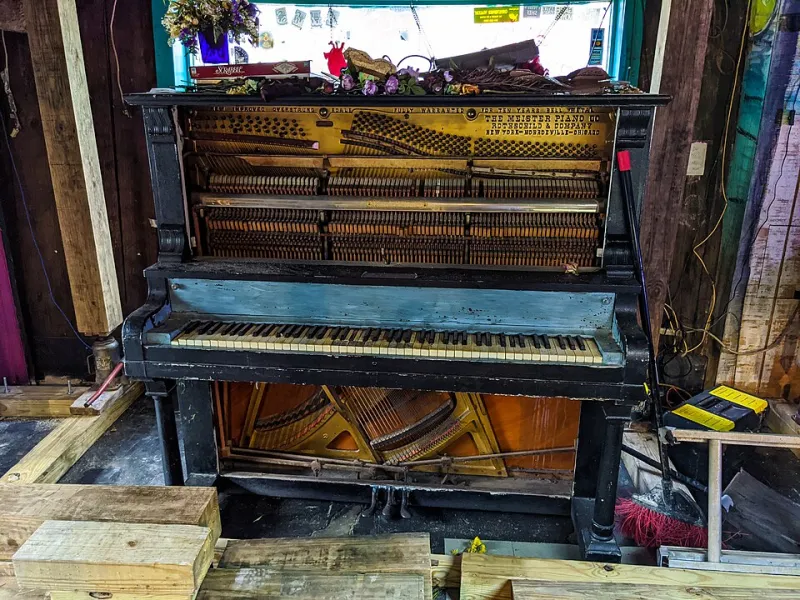
Photo: Bart Everson, CC BY 2.0, via Wikimedia Commons
Old upright pianos have a habit of outlasting the people who played them. They sit in front rooms, church halls and back bedrooms, too heavy to shift and too sentimental to skip without a second thought. Then someone says the magic words: “There must be a fortune in those strings.” As of November 2026, that is still a lovely theory. The practical version is a bit more grounded.
First, the honest bit: a piano is not a copper jackpot
A piano contains metal, yes. Quite a lot of it, in fact. But the metal is tangled up with wood, felt, glue, dust and decades of household grime. It is also built under tension in a way that makes casual dismantling a genuinely bad idea. So while an old upright might weigh somewhere between 150kg and 250kg, only a portion of that is scrap a yard can actually process.
The headline metals are cast iron, steel, copper-wound strings and a few brass fittings. The headline problem is that the cast iron plate, or harp, is bulky and awkward, the strings are thin and fiddly, and the wooden case is not something a scrap metal collector wants on the van. A fair quote starts with that reality, not with a fantasy figure based on the whole piano’s weight.
What’s actually inside the case
Think of an upright piano as a wooden box holding a metal frame under serious load. The main recyclable pieces are usually:
- Cast iron plate – the big, heavy frame inside. It is the largest metal component in many uprights, but cast iron is not the same as heavy steel, and it needs proper handling.
- Steel strings and tuning pins – lots of thin steel, often mixed with rust and dirt. The bass strings are copper-wound, but the copper content is smaller than people expect because the core is steel.
- Brass fittings – pedals, hinges, castors and various little bits. Useful, but rarely enough to change the whole job.
- Steel framework and rods – depending on the piano’s age and design, there may be additional steel pieces in the action and case.
What you will not find is a neat bundle of clean copper pipe or a block of aluminium. Piano scrap is a mixed, labour-heavy material. That matters when you start comparing the value of the metal with the cost of getting it out.
Why most collectors won’t just chuck it on the van
A scrap collector’s van is not a magic wardrobe. Whole pianos are difficult to lift, difficult to secure and mostly wood by volume. Many UK collectors will decline a complete upright because the useful metal is buried inside, the case has to be separated, and the job carries insurance and safety issues that a standard household metal collection is not set up for.
That does not mean every piano is worthless. It means the conversation needs to be specific. A fair collector will ask what type of piano it is, whether it is upright or grand, how accessible it is, whether it has already been dismantled, and what condition the metal is in. If someone offers to take a whole piano away for free and then talks vaguely about “weighing it in”, ask where the metal is going and how the price will be worked out. Clear answers are a good sign. Shrugging is not.
The dismantling maths: time, tools and risk
This is where old pianos separate the hopeful from the sensible. The scrap value of the metal might be modest, while the work to release it can be significant. You are not just unscrewing a few panels. Piano strings sit under high tension, the cast iron plate is heavy and can crack, and the wooden structure may be glued, stapled and generally uncooperative.
There is also the dust. Old pianos can harbour lead weights, deteriorated felt, mouse droppings and general filth. Pulling one apart in a domestic garage without proper gloves, eye protection and ventilation is not a cheerful weekend project. Cutting or snapping tensioned strings without knowing what you are doing can cause injury. Lifting a cast iron plate solo is a back injury waiting to happen.
So the maths looks something like this: scrap value of mixed piano metal, minus the time and risk of dismantling, minus any transport or disposal cost for the wooden carcass. For many uprights, that sum is not a cash windfall. It is a clearance job with a small metal rebate attached.
What a fair UK collector will ask before quoting
At B&P Scrap Co., we like a clear picture before anyone commits. For a piano, the useful questions are simple. Is the piano on the ground floor or up a narrow staircase? Has the metal already been separated from the wood? Is the cast iron plate intact? Are the strings still under tension? Is there safe access for a van?
A collector may be willing to quote for the metal once it has been stripped out, or to advise on a sensible next step if the piano is still whole. What a fair service should not do is give a confident price for a complete piano without seeing it, then invent deductions later. Priced clearly means the limits are explained up front: what is taken, what is not, and what the metal is actually likely to weigh in at.
A realistic plan for a piano you need gone
If the piano has no playing future and no takers, start by separating the sentimental from the practical. A local piano tuner or music shop may know someone who wants it, even if it is not worth restoring. If not, ask a licensed scrap collector whether they will take the metal after dismantling, or whether they can recommend a safe route for the whole instrument.
Do not let anyone turn it into a bonfire-and-bolt-cutters session in the front garden. The wood, the tension and the cast iron all deserve more respect than that. If the piano is going to be stripped, get the metal assessed as mixed scrap, not as a treasure chest. A few kilograms of copper-wound strings and some brass fittings will not transform the job. The cast iron plate is the main event, and even that is priced as cast iron, not as something exotic.
The bottom line
An old piano is worth something, but it is rarely worth what people hope. The metal is real, the weight is real, and so is the effort of getting one material away from the other. Treat it as a clearance task with a possible scrap rebate, keep the dismantling safe, and ask for a clear, itemised explanation before anyone loads it. That is the fair way to deal with eighty kilos of strings and iron – and the rest of the piano besides.