Dumbbells, Decks and Dead Treadmills: A Back-Friendly Scrap Plan for the Home Gym You’ve Outgrown
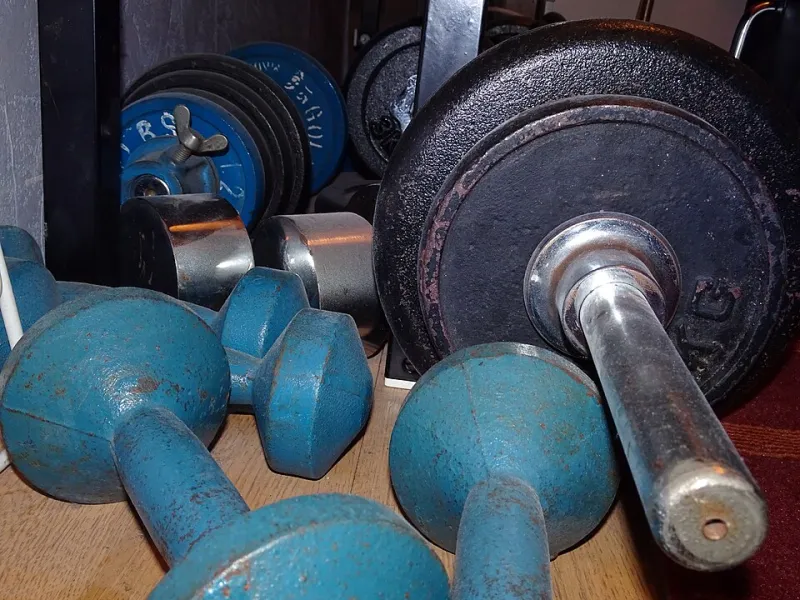
Photo: StockyPics, CC0, via Wikimedia Commons
There’s a particular kind of clutter that hides in plain sight: the home gym. It starts with a mat, a pair of dumbbells and a bit of optimism. A few years later, the garage is home to a treadmill that limps, a resistance machine with a snapped cable, and a stack of weight plates that nobody has touched since the last January fitness push. When you finally decide to clear it, the temptation is to drag the lot to the kerb and be done. But the heavy bits are often the valuable bits, and the light bits are usually the problem. A calm metal audit will save your back and make the collection fairer.
Start with a metal audit, not a muscle contest
Before you lift anything, walk around the setup with a notepad. Sort mentally into three groups: heavy metal, mixed machine parts, and definitely not scrap. Cast iron dumbbells, weight plates, steel frames, weight stacks, chrome bars and treadmill chassis belong in the first group. Rubber mats, foam grips, plastic shrouds, belts and packaging belong in the last. The middle group is where most home gyms live: a treadmill is steel plus motor plus electronics plus rubber belt; a resistance machine is steel tube plus cast-iron stack plus cables and plastic covers; a rubber bumper plate is a little steel insert wrapped in a lot of rubber.
The metal is what pays. The rest is handling. That doesn’t mean you need to become a dismantling expert. It means you should avoid making the load heavier and messier than it needs to be. Leave safety guards in place, don’t cut sealed parts open, and don’t burn anything to get at the metal inside. A fair collector would rather see a clean, honest load than a pile of stripped parts with a story attached.
What the scale actually wants
Cast iron and steel are the backbone of a home gym clear-out. Old hex dumbbells, standard weight plates, fixed barbells and the thick steel frame of a broken machine are all recognisable scrap. Rubber-coated dumbbells can still contain a metal core, but the coating doesn’t add value and may need to be separated before weighing. Bumper plates are a classic mixed item: heavy rubber with a small steel insert. Unless the insert comes out easily, it is often better to leave it intact and ask the collector how they grade it rather than spending an afternoon cutting rubber for very little return.
Treadmills are another mixed bag. The frame, motor and flywheel are the metal-rich parts. The running deck, belt and plastic console are not. Resistance machines can be surprisingly worthwhile if the frame is thick steel and the weight stack is cast iron, but cables, pulleys and plastic covers should be kept separate where possible. Small non-ferrous bits, such as copper in motors or brass fittings, are worth keeping apart if they come away easily. They are not worth injuring yourself over.
A back-friendly dismantling plan
Clear a path before you start. Put on proper gloves and sturdy boots, and use a trolley or sack barrow for anything awkward. Empty weight stacks one plate at a time rather than trying to shift the whole machine. Keep bolts and small fittings in a tub so they don’t end up scattered across the garage floor. For a treadmill, remove the plastic covers and console first, then ask someone to help with the frame. A second pair of hands is cheaper than a physio appointment.
Don’t puncture gas struts, don’t cut sealed hydraulic parts, and don’t tip oil or lubricant down the drain. If a machine has a fluid-filled component you don’t understand, leave it intact and tell the collector. The aim is a tidy, safe load, not a completely disassembled one. Photograph anything unusual before it goes into the van.
Preparing for a fair UK collection
Group items by material rather than by memory. Keep ferrous metal together, bag small non-ferrous parts separately, and put electronics to one side. Remove loose rubber, plastic and rubbish where it is easy to do so. Tell the collector about access before they arrive: stairs, gravel, a narrow alley, a shared driveway or a garage that needs a bit of Tetris to get into. That is not small talk; it affects how long the job takes and how the price is worked out.
Ask how the load will be graded. Light iron, heavy iron, mixed scrap and non-ferrous metals can carry different rates, and a fair collector should be happy to explain the basis. Ask for a ticket showing the weight and the price. At B&P Scrap Co. we prefer priced clearly over vague promises, because a clear price is easier to trust. If someone will only say “we’ll see on the day”, treat that as a prompt to ask more questions.
Kerb, council or priced pickup?
Kerbside collection is rarely the right answer for a home gym. Heavy plates and awkward frames can block the pavement, annoy neighbours and create a genuine hazard. Council bulky waste services may take some items, but they usually charge a fee and won’t pay you for the metal. A scrap collection can pay for the metal, but only if the access works and the load is prepared sensibly.
If you have a dozen plates, a treadmill frame, a broken resistance machine and no van, a priced metal pickup makes far more sense than a series of painful car trips. If you have one small bag of dumbbell handles, a trip to the yard might be simpler. Either way, don’t put scrap out on the street before collection day. It can disappear, cause an obstruction, or both.
A quick checklist before the van arrives
- Sort into ferrous metal, non-ferrous metal, electronics and rubbish.
- Remove rubber and plastic where it comes away easily.
- Keep small parts in a bag or tub.
- Clear the route from garage to van.
- Confirm the collector’s licence and waste carrier registration.
- Agree the price basis and ask for a receipt.
A home gym is really a metal store with a fitness habit. Treat the clear-out as a scrap audit rather than a strongman event, and the weighbridge will be fairer, the collection will be safer, and your back will still be speaking to you afterwards.