What the Wind Left Behind: Sorting Wrecked Garden Metal Without a Skip
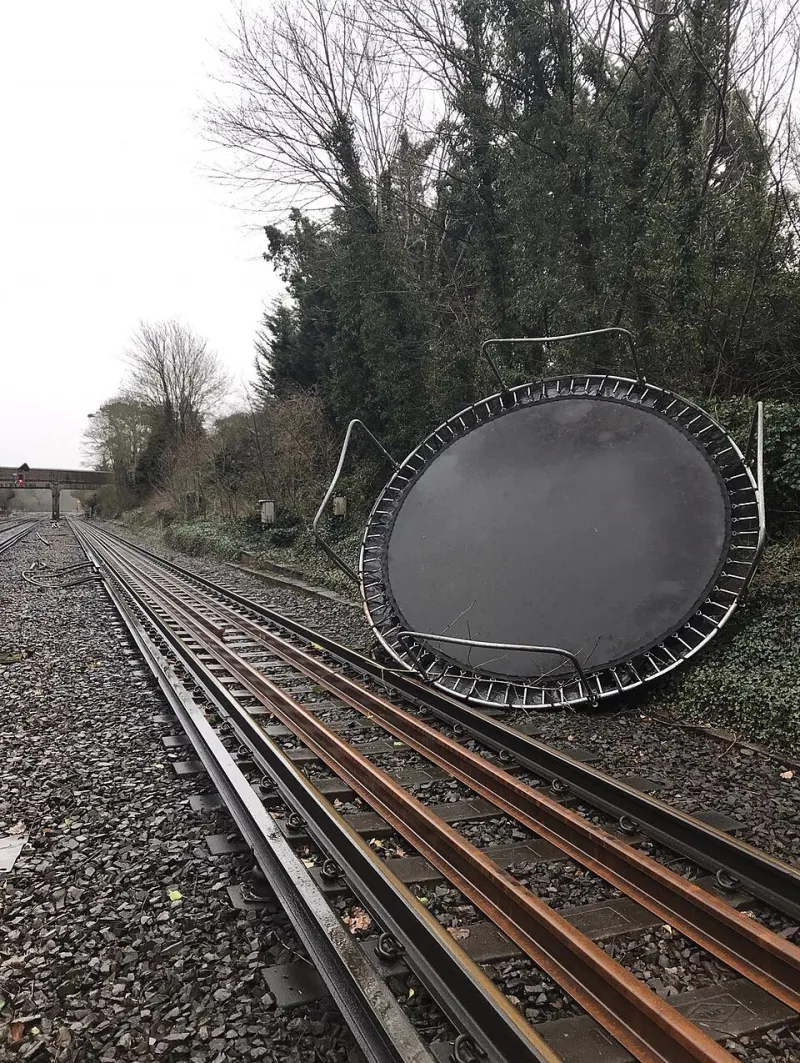
Photo: Network Rail, CC BY-SA 4.0, via Wikimedia Commons
The morning after a proper autumn gale, the garden can look less like a lawn and more like a scrapyard that lost its paperwork. A trampoline has folded itself into a metal pretzel, the gazebo is wearing its roof like a scarf, and a fence panel is leaning against the shed with the enthusiasm of a collapsed deckchair. None of it fits in the wheelie bin. All of it is awkward to carry. And hauling it to the tip—or worse, leaving it in a hedge—is enough to make you go back inside for another cup of tea.
But storm-damaged garden metal is not just rubbish. Much of it has value, even when it is bent, rusted or missing a few bolts. The trick is to sort it safely, keep the rubbish out of the metal, and book a collection that gives you a clear price before anything leaves the driveway.
Safety first: the garden can wait, your fingers cannot
Treat the wreckage like what it is: sharp, springy and heavier than it looks. Trampoline springs store tension even when the frame is bent, and enclosure poles can snap back. Wear thick gloves and boots, and keep children and pets indoors while you work. If a spring is still attached to a torn mat, cut the mat away rather than trying to unhook the spring with your hands. Two people are better than one for anything long, and eye protection is not overkill when you are wrestling with galvanised tubing.
Take a few photos before you move anything. They are useful for a collection quote, and they remind you what was there if a neighbour asks why your garden looks like a modern art installation.
Separate the metal from the mayhem
The biggest mistake with storm debris is treating the whole lot as one load. Scrap metal is priced by weight and grade, and a pile of metal tangled with wet netting, foam padding and treated timber is harder to weigh, harder to grade and less valuable. Sort as you go.
A trampoline is usually a mix. The main frame and enclosure poles are often steel, sometimes galvanised; the springs are steel too. The jumping mat, safety net, foam padding and plastic caps are not metal. Remove them. If the frame is aluminium—less common on bigger trampolines, but possible on lighter models—keep it separate from the steel. A magnet is a quick way to tell: if it sticks, it is steel; if it does not, it is probably aluminium.
Gazebos are similar. The poles may be aluminium or steel, and the joints and feet are often plastic. Rip or cut the fabric away, let it dry if you can, and bag it as general waste. Do not screw the whole soggy bundle into a ball and call it scrap. The metal is the part that gets weighed.
Fence panels are the awkward one. Most panels are timber, which is not scrap metal. The metal bits are the nails, screws, brackets, wire mesh, chain-link or post supports. Separate them from the wood and concrete. Concrete posts are not scrap metal and are heavy—leave them out of the metal pile unless your collector has specifically agreed to take them. Treated timber should not be burned in the garden, and it does not belong in a metal collection.
Rust is fine; rubbish is not
A bit of rust is not a problem. Scrap yards deal with rusty metal every day. What causes trouble is contamination: plastic, rubber, fabric, soil, concrete and water trapped inside tubes. Those things add weight that nobody pays for, and they can turn a clean load into a mixed one that needs sorting. Drain any water out of bent poles. Shake out soil. Remove plastic end caps if they come off easily. Keep steel and aluminium in separate piles if you can, and keep both away from wood and general rubbish.
If a metal item is more rubbish than metal—say, a gazebo frame so thin and tangled that it is mostly plastic joints and torn fabric—it may not be worth a separate collection. That is fine. Not every storm casualty is a payday. The aim is to recycle what can be recycled and dispose of the rest properly, without a fly-tipping fine or a trip to A&E.
Stack it so it can be seen and weighed
Once sorted, stack the metal somewhere safe and accessible: beside the shed, on the driveway, or at the front of the garden. Keep it out of the way of bins and paths. Long poles should be bundled or laid flat so they do not roll. Do not block the pavement, and do not leave anything on the kerb unless your council has explicitly said it will collect it. If you are in a flat or a shared building, check who owns the land before you leave a pile in a communal bin store.
A photo of the sorted pile is more useful than a vague description. It helps the collector estimate weight, decide what vehicle to send and give you a price that is not based on guesswork.
Book a collection that quotes before it lifts
A fair scrap collector should be happy to talk through the load before it leaves your property. Ask what they will take, what they will not take, and whether there is a collection charge. Get the price in writing—email or text is fine—before anything is loaded. If the price depends on weight, ask how the weight will be recorded and whether you will see a ticket. If the price depends on grade, ask how the metal will be graded. You do not need a metallurgy degree; you just need to know whether the quote is for steel, aluminium or a mixed load.
In the UK, scrap metal dealers must be licensed, and cash payments for scrap metal are not allowed. A legitimate collector will pay by bank transfer or cheque and will keep records. Ask for a receipt that shows the date, the material, the weight and the amount paid. If you are a business or a landlord, keep the paperwork—it is part of your duty of care for waste. For households, it is still worth keeping, because it proves the metal went to a licensed place rather than the back of a van.
Be wary of anyone who offers to take the whole pile away without looking at it, refuses to give a price until after it is loaded, or pressures you to accept cash. Those are not signs of a fair deal. They are signs of a deal you may regret.
The last word on the wind
Storm damage is annoying, but it is also a chance to clear out metal that has been cluttering the garden for years. Sort the metal from the rubbish, keep the pile safe and visible, and use a collector who will quote clearly and document the load. At B&P Scrap Co., we collect scrap metal across the UK with prices agreed before we lift anything, so you know what you are getting and where it is going. The wind has done enough damage. The clean-up does not need to add to it.