When the Water Goes Down: A Sensible Scrap Plan for Flood-Ruined Appliances
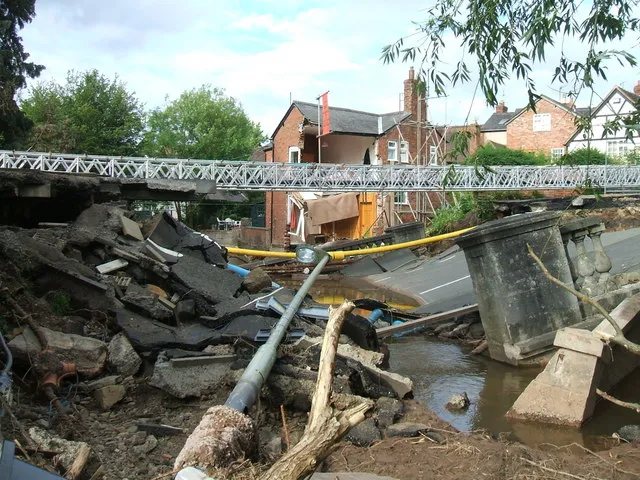
Photo: DI Wyman, CC BY-SA 2.0, via Wikimedia Commons
The smell is the first thing
After a flood, the water goes down and the real work starts. Carpets, skirting boards, soggy boxes and the awful smell of damp. In the middle of it all, there is usually a ruined boiler, a dead washing machine, a fridge that has been sitting in dirty water, and a pile of electrical fittings nobody wants to touch.
It is tempting to drag everything to the kerb and move on. But flood-damaged metal appliances need a bit more thought. They can still hold recoverable copper, steel and aluminium, and a proper scrap collection can be part of a calm, documented clean-up rather than another thing to worry about.
First, make the house safe
Do not start pulling out appliances while the power is still on. If the property has been flooded, assume electrics are unsafe until a qualified electrician says otherwise. Turn off the supply at the consumer unit only if it is safe to reach and not standing in water. If there is any doubt, stay out and call someone qualified.
Gas appliances are the same. A flooded boiler, gas fire or cooker should not be used, tested or taken apart by anyone who is not Gas Safe registered. Isolate the gas supply if you can do so safely, and get professional advice before the clearance starts. The metal value is not worth a risk with gas or electricity.
What is actually worth recovering
A flood-ruined washing machine is mostly steel, with a concrete weight, some copper in the motor and wiring, and a stainless drum. A fridge or freezer contains steel, aluminium, copper pipework and plastic insulation. A boiler has copper, brass and steel, plus components that need proper handling. None of this should go to landfill if it can be recycled.
But water damage changes the job. Appliances that have been submerged are heavier, dirtier and sometimes contaminated with silt or sewage. Collectors will still take many of them, but they need to know what they are collecting. Do not hide a waterlogged fridge under a dry sofa and hope for the best.
What collectors will and will not take
Most scrap collectors will take white goods, boilers and metal electrical fittings as part of a mixed load. What they will not take is anything that poses a health risk they have not been told about. If an appliance has been in contact with sewage, say so. If it is leaking oil, refrigerant or water, say so. If it is full of flood silt, expect it to be treated as contaminated scrap rather than clean metal.
Some items need separate handling. Fridges and freezers contain refrigerant gases that must be recovered properly. Boilers may contain trapped water. Electrical cable should be kept separate from general metal if you want a clearer price. Ask before you book what needs to be isolated or bagged.
Documenting the collection
If you are claiming on insurance, documentation matters. Take photos of each appliance before it leaves the property. Note the make, model and approximate age if you can. Keep a list of what was collected and ask for a receipt or waste transfer note that shows the date, the collector and the type of waste.
This is not bureaucracy for its own sake. It proves the items were disposed of properly and helps your insurer process the claim. A fair scrap collector will be comfortable providing paperwork. If someone refuses to give you anything in writing, that is a warning sign.
The practical clearance order
Start with the small stuff: cables, chargers, metal light fittings and any loose electrical items that are definitely dead. Then move to the white goods. Clear a path, wear gloves, and do not try to lift a wet washing machine on your own. Two people and a sack barrow are safer than a bad back.
Keep flood-damaged metal separate from undamaged items you are keeping. If the garage or shed was also flooded, check for tools, bikes and garden machinery that might be salvageable before you weigh them in. A rusty spade is scrap; a decent cordless drill might just need a new battery.
Booking a fair collection after a flood
When you call B&P Scrap Co., explain that the load is flood-damaged. That is not a reason for a vague price — it is a reason for an honest one. A collector who knows the load is wet, mixed and possibly contaminated can quote fairly and arrive prepared.
Ask for the price to be explained by weight and metal type where possible. Ask what happens to the appliances after collection. Ask for a receipt. You are not being fussy; you are closing the loop on a difficult few weeks.
The water eventually goes down. The paperwork, the photos and a clear collection give you something better than a pile at the kerb — a proper end to a messy chapter.